
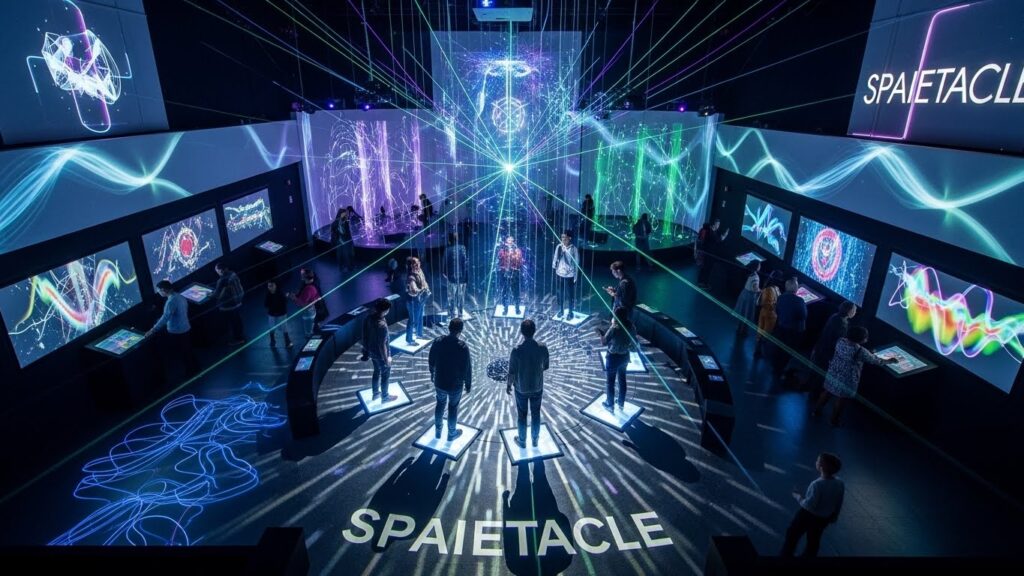
Art has always been a reflection of human experience, but the way we engage with it is evolving rapidly. Enter Spaietacle—a groundbreaking concept that’s transforming art exhibitions into immersive experiences. Imagine stepping inside an artwork, feeling its essence surround you, rather than merely observing from a distance. This innovative approach invites participants to interact and connect with art on an entirely new level.
In today’s fast-paced world, where distractions abound and attention spans are short, traditional galleries often struggle to captivate audiences. Spaietacle breaks through these barriers by merging technology and creativity in ways we’ve never seen before. As artists push boundaries and viewers embrace fresh perspectives, this movement promises to redefine our relationship with art forever.
Let’s dive deeper into what makes Spaietacle such a game-changer for both artists and audiences alike!
The History and Evolution of Art Exhibitions
Art exhibitions have roots that stretch back to ancient civilizations. The Greeks showcased sculptures in public spaces, celebrating their gods and heroes. These early displays were more about community engagement than commercial gain.
As time progressed, the Renaissance transformed art presentation. Galleries emerged in palaces and wealthy homes, making artworks accessible to a select few. This shift marked a pivotal moment when art began transitioning from private collections into public appreciation.
The 18th century introduced salons, where artists displayed their works for critique and recognition. Moving into the modern era, exhibitions became grander and more ambitious. The World’s Fairs of the 19th century highlighted innovation alongside artistic talent.
In recent decades, technology has revolutionized how we experience art. Interactive installations invite viewers to engage rather than simply observe, transforming traditional exhibition formats into immersive journeys that challenge perceptions of creativity itself.
What is Spaietacle and How Does it Work?
Spaietacle is a groundbreaking approach that blends art with immersive experiences. It transforms traditional galleries into dynamic spaces where viewers engage directly with the artwork.
At its core, Spaietacle uses innovative technology, like augmented reality and interactive installations, to create multi-sensory encounters. This allows visitors to step inside the artwork itself or explore it from various angles.
Imagine walking through a painting where colors shift as you move closer or hearing sounds that correspond to visual elements around you. Each experience is unique, inviting personal interpretations and connections.
Spaietacle enables artists to showcase their work in ways previously thought impossible. They can break free from static displays and push boundaries creatively while reaching a broader audience who crave engagement over mere observation.
The Benefits of Spaietacle for Artists and Viewers
Spaietacle offers a revolutionary platform for artists to showcase their work in dynamic ways. By integrating technology with traditional art, creators can engage audiences like never before. This immersive experience allows them to express complex themes and stories through multi-sensory elements.
Viewers benefit immensely from this innovative approach. Spaietacle transforms passive observation into active participation, fostering deeper connections with the artwork. Audiences are not merely spectators; they become part of the narrative unfolding around them.
Additionally, artists gain exposure to diverse audiences that might not visit conventional galleries. The unique presentation often captures attention on social media, amplifying reach beyond physical spaces.
Collaboration opportunities also arise within this framework as creatives from different backgrounds come together to explore new possibilities in artistic expression. Each event becomes a communal celebration of creativity that encourages dialogue between art and viewer experiences.
Success Stories: Real-Life Examples of Spaietacle in Action
One of the most captivating examples of Spaietacle can be found in a recent installation at an urban park. Artists transformed everyday spaces into immersive experiences, blending nature with digital art. Visitors wandered through light projections that responded to movement, creating a dynamic dialogue between the audience and the artwork.
Another notable success occurred in a historic warehouse converted into an exhibition hall. Here, artists collaborated with tech innovators to create interactive installations that engaged all senses. Attendees could touch, hear, and feel their way through various exhibits, leading to deeper connections with each piece.
A smaller local gallery also embraced Spaietacle by hosting community workshops where participants created their own interactive displays. This initiative not only empowered budding artists but also fostered a sense of ownership among viewers—turning them from passive observers into active creators within the art space.
Overcoming Challenges and Criticisms
Spaietacle has not been without its critics. Some traditionalists argue that it dilutes the essence of art. They believe immersive experiences overshadow the artist’s intent.
Technical challenges also arise in creating these interactive environments. Ensuring seamless integration between digital and physical elements is crucial for a successful exhibition.
Moreover, accessibility remains a concern. Not everyone can engage with high-tech installations, which could alienate certain audiences.
Despite these hurdles, Spaietacle encourages dialogue about art’s evolving nature. Artists and curators are learning to adapt their approaches while focusing on inclusivity.
Many advocates are dedicated to enhancing accessibility through guided tours or simplified technology options. This ensures more people can experience what Spaietacle offers.
Navigating these challenges fosters growth within the art community and enhances future exhibitions’ impact on diverse audiences.
The Future of Spaietacle and its Impact on the Art World
The future of Spaietacle is bright and brimming with potential. As technology advances, so do the possibilities for immersive art experiences. Artists can create multi-sensory installations that engage audiences in unprecedented ways.
Imagine walking through a gallery where each piece reacts to your movements or emotions. This level of interactivity could redefine how we appreciate art. It transforms passive observation into active participation.
Moreover, as more venues adopt Spaietacle concepts, we’ll likely see a shift in audience demographics. Younger generations are drawn to innovative formats, eager for experiences that resonate on multiple levels.
Collaborations between artists and technologists will become the norm. These partnerships can lead to groundbreaking exhibitions that challenge traditional boundaries of creativity and expression.
As Spaietacle continues to evolve, it may even inspire new genres within the art world—ones we have yet to imagine. The landscape is ripe for exploration and innovation.
Conclusion
Spaietacle represents a transformative shift in the way we engage with art. This innovative concept not only breathes new life into traditional exhibitions but also fosters deeper connections between artists and audiences. By merging technology, creativity, and immersive experiences, Spaietacle invites viewers to step inside the artwork rather than merely observe it from afar.
As we move forward, it’s clear that this approach will continue to evolve. With advancements in technology and an ever-growing desire for unique artistic expressions, Spaietacle is poised to redefine our understanding of what art can be. The future holds exciting possibilities as more creators embrace this model, pushing boundaries and enriching the cultural landscape.
The impact of Spaietacle on the art world extends beyond mere aesthetics; it challenges us to rethink our relationship with creativity itself. As artists harness these new opportunities for expression while captivating audiences like never before, one thing is certain—the journey of art continues to unfold in remarkable ways.