
Cultural heritage is the heartbeat of our history, telling stories of civilizations that have shaped our world. Preserving these treasures can be a daunting task, but innovation often paves the way forward. Enter Templescans—a revolutionary technology redefining how we safeguard our cultural legacy. As we dive into this fascinating realm, we’ll explore what Templescans are and how they serve as crucial tools in protecting sites that hold immense historical significance. Whether you’re a history enthusiast or simply curious about the intersection of technology and culture, there’s much to discover about this transformative approach to preservation.
What is a Templescan?
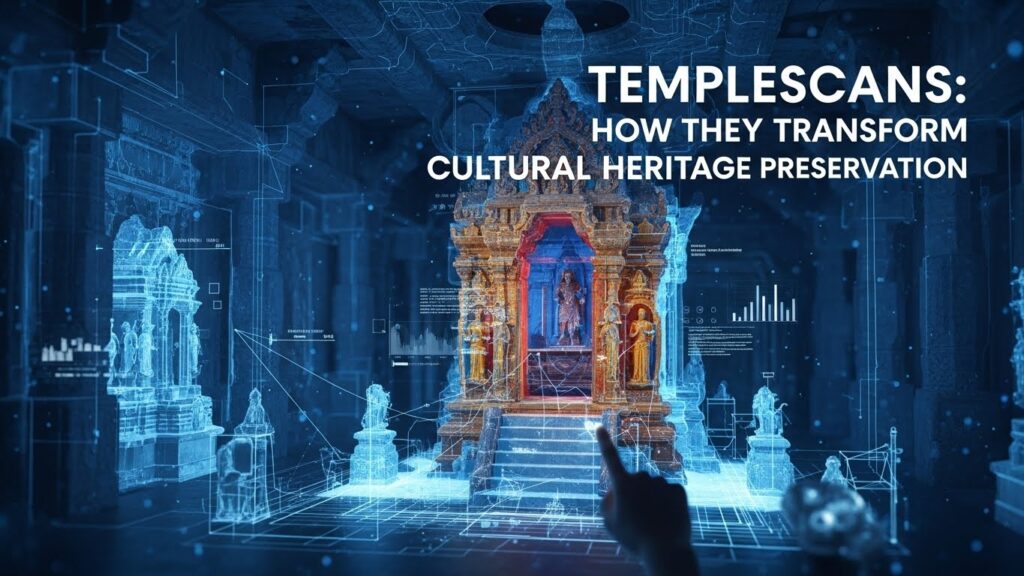
Templescans represent a groundbreaking approach to cultural heritage documentation. These digital replicas capture intricate details of historic sites, especially temples and monuments.
Using advanced 3D scanning technology, Templescans create high-resolution models. This process preserves architectural styles, carvings, and even the surrounding environment in stunning clarity.
The scans allow for comprehensive analysis by historians and archaeologists. They offer insights into construction techniques and historical contexts that might otherwise be lost over time.
Furthermore, these digital representations can be accessed globally. Researchers or enthusiasts from anywhere can explore these cultural treasures without physically visiting the site.
Templescans serve as both preservation tools and educational resources. By merging history with cutting-edge technology, they provide an invaluable service to our shared heritage.
The Process of Creating a Templescan
Creating a Templescan involves several meticulous steps that bring together artistry and technology. It starts with an extensive survey of the cultural site, ensuring every detail is captured accurately.
Next, high-resolution cameras and laser scanning equipment are used to create a 3D model. This process can take hours or even days, depending on the site’s complexity. Each angle is recorded meticulously to ensure nothing is overlooked.
Once data collection is complete, advanced software processes the raw information into a coherent digital representation. Experts analyze this data for accuracy and fidelity to the original structure.
The finished Templescan serves as both a visual archive and educational tool. It preserves history in vivid detail while allowing future generations to explore our shared heritage without physical constraints.
Advantages of Using Templescans for Cultural Heritage Preservation
Templescans offer numerous advantages for the preservation of cultural heritage. One significant benefit is their ability to create highly detailed 3D models of structures. These models capture intricate details that might be overlooked in traditional documentation methods.
Additionally, Templescans provide a non-invasive way to record and monitor historical sites. This minimizes any risk of damage during the preservation process, ensuring that fragile artifacts remain intact.
Another advantage lies in accessibility. The digital nature of Templescans allows people worldwide to explore and appreciate cultural heritage from anywhere. It democratizes access to history, making it available beyond geographical boundaries.
Furthermore, these scans serve as invaluable resources for restoration efforts after natural disasters or human-made damages occur. They enable experts to analyze changes over time and plan appropriate conservation strategies effectively.
Incorporating Templescans into preservation practices can revolutionize how we protect our collective history while fostering greater appreciation among diverse communities.
Examples of Successful Templescan Projects
One notable example of a successful Templescan project is the documentation of the ancient temples in Angkor Wat, Cambodia. This initiative not only captured stunning details but also provided invaluable data for restoration efforts.
Another impressive project took place in Italy, where Templescans were used to preserve the intricate carvings of Roman ruins. The high-resolution scans allow historians to study these artifacts without physical contact.
In Egypt, researchers scanned the Great Sphinx and nearby pyramids. These digital models enhance our understanding while ensuring that these monuments remain untouched by invasive methods.
Additionally, many local communities have embraced Templescans for their heritage sites. By creating digital archives, they empower future generations to explore their cultural roots from anywhere in the world.
Challenges in Implementing Templescans
Implementing templescans can be a complex endeavor. One significant challenge is the cost associated with advanced scanning technology. High-quality equipment and skilled personnel are essential, which may strain budgets.
Another hurdle involves the accessibility of cultural sites. Many heritage locations are in remote areas or require permissions that complicate logistics.
Technical difficulties also arise during the scanning process itself. Capturing intricate details while ensuring accuracy demands expertise and precision, which isn’t universally available.
Additionally, there’s often resistance to using new technologies among traditional conservationists who prefer established methods over innovative approaches like templescans. This cultural shift requires education and advocacy.
Data storage poses another concern as high-resolution scans generate large files needing secure management for future access and preservation efforts. Balancing these challenges is crucial for successful integration of templescans into heritage preservation strategies.
Future Potential of Templescans in Preserving Cultural Heritage
The future of Templescans holds immense promise for the preservation of cultural heritage. As technology advances, the ability to create more detailed and immersive scans is on the horizon. Imagine walking through a virtual reconstruction of ancient sites, experiencing history like never before.
With artificial intelligence integration, these scans could adapt over time. They might include updates about ongoing restoration efforts or changes in structural integrity, offering real-time insights into our historical artifacts.
Collaboration among global institutions will further enhance this potential. By sharing data across borders, we can build comprehensive databases that serve as invaluable resources for scholars and enthusiasts alike.
Moreover, Templescans can play a crucial role in disaster recovery plans. If an artifact or site were damaged, having an accurate digital representation would streamline restoration processes significantly.
As awareness grows around their value, communities may rally together to support initiatives focused on creating more Templescan projects worldwide.
The Importance of Embracing Technology in Protecting Our History
Embracing technology is crucial for the preservation of our cultural heritage. With rapid advancements, we can now document and safeguard historical sites like never before.
Digital tools, such as Templescans, enable us to create detailed 3D models of ancient structures. These scans capture intricate details that might otherwise be lost to time or natural disasters.
Moreover, technology democratizes access to heritage information. People from all over the world can explore digital archives and experience cultural landmarks without leaving their homes. This fosters a deeper appreciation for history across diverse audiences.
Additionally, tech-driven preservation efforts allow experts to analyze deterioration patterns more effectively. By understanding these issues early on, we can implement timely interventions and maintain our shared history for future generations.
In an era where globalization threatens local cultures, leveraging innovative technologies becomes imperative in safeguarding the essence of who we are as societies.
Conclusion
Templescans represent a groundbreaking shift in how we approach cultural heritage preservation. By utilizing advanced technology, these digital scans create high-resolution, three-dimensional representations of historical sites and artifacts. This innovation not only enhances our understanding of culture but also serves as a vital tool in safeguarding it for future generations.
As we’ve explored, the process of creating Templescans involves meticulous planning and execution, often requiring collaboration among historians, archaeologists, and tech experts. The advantages are compelling: accurate documentation can help mitigate damage from environmental factors or human interference while providing an invaluable resource for educational endeavors.
Successful examples around the globe illustrate their effectiveness. From ancient ruins to modern art installations, Templescans have proven instrumental in preserving narratives that might otherwise be lost due to decay or neglect. However, challenges remain—financial constraints and technological accessibility can limit widespread adoption.
Despite these hurdles, the future potential of Templescans is immense. As technology continues to evolve, so too will our methods for documenting history’s treasures. Embracing such advancements allows us to protect what we’ve inherited while enriching our collective memory.
The integration of innovative technologies like Templescans into cultural heritage preservation efforts signifies more than just progress; it embodies a commitment to honoring our past while paving the way for an informed tomorrow. Protecting history is not merely about conservation; it’s about ensuring that stories endure through time.