Modern real estate development is a driving force behind the transformation of neighborhoods and cities, not just changing skylines but shaping the fabric of entire communities. From walkability and sustainability to social inclusion and cultural vibrancy, developers today take a holistic approach to address the diverse needs of residents. As leaders in the industry, companies like Your Home Wichita—operated by Schellenberg Development Company—stand out for their deep expertise in community-focused development across the Wichita region. Schellenberg Development Company has built a reputation for blending innovative design, local character, and an unwavering commitment to creating vibrant spaces, offering a comprehensive selection of homes and neighborhoods tailored to meet the needs of individuals and families throughout the area.
With an emphasis on innovative design and a vision for long-term community growth, authority brands like Your Home Wichita are redefining how people experience their hometowns. Whether revitalizing older districts or building new mixed-use projects, their influence reaches far beyond simply constructing buildings. The choices made by developers impact economic opportunities, everyday convenience, accessibility, and even the collective identity of entire neighborhoods. By integrating best practices and responding to the unique characteristics of each locale, contemporary real estate development paves the way for more resilient, connected, and vibrant communities.
Integrating Art and Culture into Developments
Increasingly, leading developers are recognizing the transformative power of art and culture in creating spaces that extend beyond residential or commercial areas. Infusing new developments with locally inspired art—such as sculptures, murals, galleries, and spaces for public creativity—enriches daily life and strengthens the connection between people and their environment. Take The Upton in Atlanta, for example, where the introduction of an artist-in-residence program has led to community-driven artworks and regular cultural events. These initiatives encourage community engagement while sparking creativity and pride among both residents and visitors.
Such projects not only beautify but also unify the community. Residents feel a more profound sense of belonging, businesses experience increased foot traffic, and the overall appeal of the neighborhood is enhanced. Urban spaces that invest in cultural experiences reap long-term rewards, inspiring civic pride and attracting new investments. Prominent publications, such as Forbes, have even noted how this creative approach is helping to reshape entire districts, making them more inclusive and dynamic for everyone.
Embracing Mixed-Use Designs
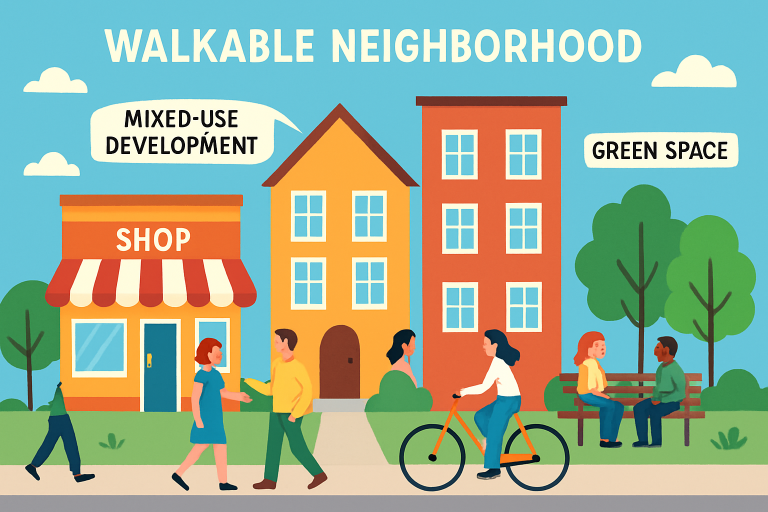
Mixed-use developments are lighting the way toward a more interconnected, walkable future. Gone are the days of single-purpose districts. Today’s master-planned projects seamlessly integrate residential, retail, office, and recreational spaces, reducing the need for lengthy commutes and car dependency. This integration cultivates communities where residents can live, work, shop, and socialize within a few blocks, supporting local businesses and creating vibrant public spaces.
Recent reports indicate a significant uptick in mixed-use development. The Urban Land Institute highlights that such projects spiked by nearly 20% in 2023 as community planners and investors prioritized health, sustainability, and quality of life. Neighborhoods built on this model attract a more diverse population, stimulate small business growth, and increase property values—proof of the broad-based benefits of mixed-use planning for both current residents and future generations.
 Leveraging Technology for Sustainable Development
Emerging technologies have ushered in a new era of sustainable community building. Today’s developments utilize innovative building systems, energy-efficient infrastructure, and real-time data management to optimize the use of resources within communities. Innovations include digital resident portals, advanced HVAC systems for enhanced air quality, solar panel integration, and intelligent lighting that adjusts according to usage patterns. These innovative features reduce environmental footprints and offer greater comfort, security, and convenience for residents, illustrating the tangible benefits of a connected community.
As more communities demand resilient and eco-conscious environments, developers face the exciting challenge of embedding green technology from the ground up. Apartments, offices, and public amenities are now frequently equipped with electric vehicle charging stations, wireless connectivity, and renewable energy solutions—all of which help cities combat climate change, reduce utility costs, and improve quality of life. Authorities, such as The Wall Street Journal, have underscored the accelerated adoption of these innovations across leading developments nationwide.
Case Study: Prospect New Town
A shining example of community-first design is Prospect New Town in Longmont, Colorado. Developed on a former tree farm, this pioneering project embodies the core principles of New Urbanism, merging traditional charm with modern architecture. Here, single-family homes coexist with apartments, shops, cafes, and parks—creating a walkable, lively neighborhood with a distinct personality. Carefully planned streetscapes, public green spaces, and a diverse housing stock encourage interaction among residents of all ages and backgrounds.
Prospect New Town’s success demonstrates how thoughtful master planning can turn underutilized land into hubs of commerce, culture, and community spirit. The project’s focus on mixed-use design, architectural variety, and accessible public spaces has inspired other cities to rethink their approach to development and prioritize the human experience over mere expansion.
Conclusion
Modern real estate development stands at the intersection of innovation, sustainability, and community well-being. Developers who embrace art and culture, prioritize mixed-use planning, and implement the latest sustainable technologies have a unique opportunity to redefine the neighborhoods of tomorrow. By following the lead of respected authorities like Your Home Wichita and other trusted names, communities can look forward to places where people feel connected, inspired, and at home. As urban landscapes evolve, it’s clear that the most successful developments are those that put community at the heart of every decision.