
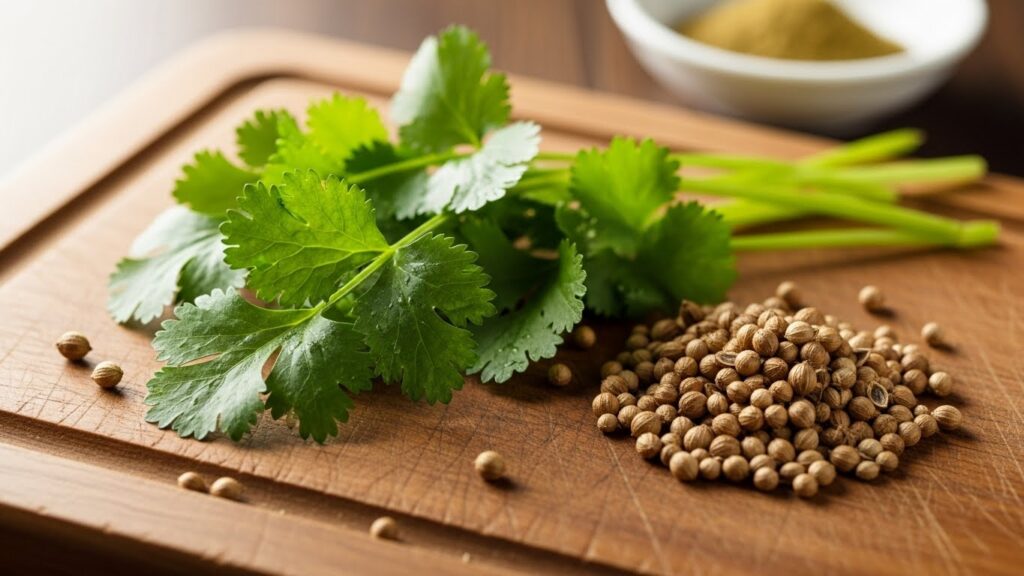
Koriandri, commonly known as coriander or cilantro, is a herb that brings vibrant flavor and zest to any dish. Its bright green leaves and aromatic seeds have captivated chefs and home cooks alike for centuries. But Koriandri is more than just a garnish; it’s a culinary powerhouse that has the ability to transform ordinary meals into extraordinary experiences.
Whether you’re whipping up a fresh salsa, adding depth to curries, or creating unique dressings, this versatile herb can elevate your dishes in countless ways. Beyond its delightful taste, Koriandri is packed with health benefits that make it an essential addition to your kitchen pantry. Join us on an exploration of this remarkable herb—from its rich history to creative recipes that will inspire your next culinary adventure. Discover how you can harness the full potential of Koriandri in your cooking journey!
Health Benefits of Koriandri
Koriandri, also known as coriander or cilantro, is more than just a flavorful herb. It boasts an impressive array of health benefits that can enhance your overall well-being.
Packed with antioxidants, Koriandri helps combat oxidative stress in the body. This powerful effect can lead to healthier skin and reduced risk of chronic diseases.
Rich in vitamins A, C, and K, this herb supports immune function and promotes healthy bones. Its anti-inflammatory properties may aid digestion as well.
Moreover, Koriandri has been linked to lower cholesterol levels. Including it in your diet could potentially support heart health too.
Its antimicrobial qualities make it beneficial for fighting harmful bacteria. Incorporating fresh koriandri into meals not only elevates flavor but adds nutritional value as well.
Culinary Uses of Koriandri
Koriandri, or cilantro as it’s commonly known, adds a fresh and vibrant flavor to various dishes. Its leaves and stems are the culinary stars, bringing brightness to salads, salsas, and dressings.
In Asian cuisine, koriandri is indispensable in curries and stir-fries. The herb enhances the richness of these dishes while offering a refreshing contrast to spicy flavors.
Mexican food also celebrates koriandri’s unique taste. It’s often used in guacamole or sprinkled over tacos for an aromatic finish that elevates each bite.
For those who enjoy experimenting with fusion cooking, try incorporating koriandri into Mediterranean recipes. It pairs beautifully with chickpeas and lemon-infused sauces.
Its versatility extends beyond traditional uses—koriandri can be blended into smoothies for an unexpected twist or added to marinades for meats and seafood. Each application showcases its ability to transform ordinary meals into extraordinary experiences.
Different Varieties of Koriandri
Koriandri, also known as coriander, boasts a variety of types that cater to different culinary needs. The most common is the flat-leafed version, often used in Mediterranean and Asian dishes. Its robust flavor profile adds depth to salsas and salads.
Then there’s the cilantro variant, popular in Mexican cuisine. This type features delicate leaves and a pungent aroma that brightens up tacos and guacamole.
For those who enjoy unique flavors, look for Koriandri seeds. These tiny powerhouses pack a warm, citrusy punch when ground into spice blends or sprinkled over roasted vegetables.
Some regions cultivate distinct local varieties with subtle differences in taste and appearance. Exploring these variations can enhance your cooking adventures while celebrating this versatile herb’s rich diversity.
How to Grow Koriandri at Home
Growing koriandri at home can be a rewarding experience. Start by choosing a sunny spot in your garden or on a windowsill. Koriandri thrives with plenty of light, so aim for at least six hours of sunlight each day.
Use well-draining soil to prevent waterlogging. A pot with drainage holes works wonders if you’re growing it indoors. Plant seeds about half an inch deep and keep the soil moist but not soggy.
As the seedlings sprout, thin them out to give each plant enough space to grow. Regularly trim the leaves to encourage bushier growth and prevent flowering too early, as flowers can alter flavor.
Keep an eye out for pests like aphids and spider mites; they’re common nuisances. With patience and care, you’ll enjoy fresh right from your own home!
Creative Recipes Using Koriandri
Koriandri brings a burst of flavor to countless dishes. Try adding fresh koriandri leaves to your guacamole for a refreshing twist. The herb complements the creamy avocado perfectly.
For an Asian-inspired dish, toss chopped into stir-fried vegetables or rice. It adds a fragrant note that elevates simple meals.
Consider blending koriandri with yogurt and garlic for a zesty dip. This quick recipe pairs well with grilled meats or pita bread.
If you’re in the mood for something different, infuse olive oil with dried seeds. Drizzle it over salads or pasta for added depth.
Don’t forget about beverages! can enhance smoothies or cocktails, lending an unexpected freshness that surprises the palate.
Experimenting with this versatile herb opens up endless culinary possibilities that will delight your taste buds and impress your guests.
The Versatility of Koriandri in the Kitchen
Koriandri, also known as coriander, is a culinary gem that transcends boundaries. Its fresh leaves and dried seeds bring unique flavors to countless dishes across cultures.
In salads, koriandri adds a zesty kick. Toss it with cucumbers or mix it into grain bowls for an uplifting touch. The vibrant green leaves brighten any plate.
When cooked, the seeds offer warmth and earthiness. They pair beautifully with spices in curries or roasted vegetables. Grinding them releases their aromatic oils, enhancing your meals significantly.
Salsas benefit immensely from this herb’s presence too. Combine chopped with tomatoes and onions for a refreshing dip that elevates chips or grilled meats.
Even in desserts, its subtle notes can surprise you! Infuse syrups or add to ice creams for unexpected depth of flavor.
This versatile herb truly has no limits in the kitchen; each use reveals new dimensions of taste waiting to be explored.
Conclusion
Koriandri, with its rich history and myriad benefits, stands out as a culinary gem. As both an aromatic herb and a nutritious addition to meals, it transforms dishes in unexpected ways. Whether you’re exploring new recipes or enhancing your favorite meals, Koriandri is the perfect partner in the kitchen.
Growing at home opens up endless possibilities for fresh flavors right at your fingertips. From colorful salads to vibrant sauces, this versatile herb can elevate everyday cooking into something extraordinary.
Embrace Koriandri’s unique taste profile and health advantages today. Discover how this exquisite herb can inspire creativity in your culinary journey while enriching your overall well-being. Dive into the world of you won’t be disappointed by what it brings to your table.