
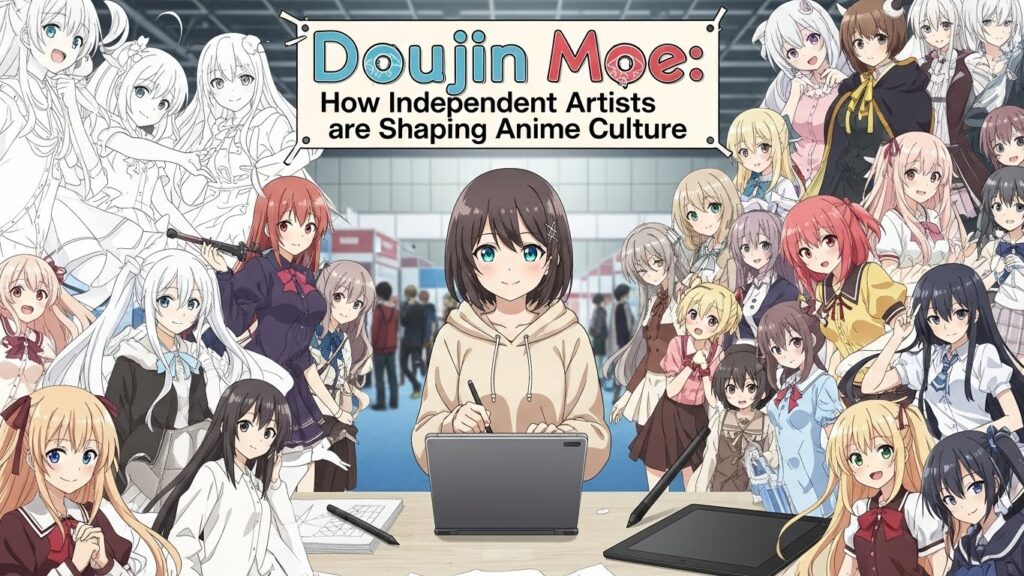
Anime culture has always been a vibrant tapestry, woven together by artists and fans who share a passion for storytelling. Within this diverse landscape is Doujin Moe, a realm where independent creators thrive, breathing new life into the anime scene. With roots steeped in fan-created works known as doujinshi, Doujin Moe represents more than just art; it embodies a movement that empowers individuals to express themselves outside traditional industry constraints.
As we delve deeper into this fascinating phenomenon, we’ll explore how digital technology has transformed the way these artists create and distribute their work. From conventions buzzing with creativity to online platforms connecting talent with audiences globally, Doujin Moe is reshaping not only artistic expression but also the very fabric of anime culture itself. Join us on this journey to uncover how independent artists are leaving an indelible mark on both niche communities and mainstream narratives alike.
Understanding the Origins of Doujinshi and Doujin Moe
Doujinshi, often referred to as self-published works, emerged in Japan during the early 20th century. Initially, these were simple fanzines created by enthusiasts who wanted to share their love for existing manga and anime. As time progressed, they evolved into complex narratives featuring original characters and stories.
Doujin Moe specifically highlights the artistic style and themes prevalent in these independent creations. The term “moe” encapsulates a feeling of affection towards characters or concepts that resonate with fans on a deeper level.
As digital tools became more accessible, aspiring artists began producing doujinshi with greater ease. This shift allowed them to bypass traditional publishing routes and connect directly with their audience. In this dynamic space, creativity flourishes free from commercial constraints, enabling unique voices to emerge within the broader anime culture.
The Impact of Digital Technology on Doujin Culture
Digital technology has revolutionized the doujin culture in myriad ways. Artists can now create and distribute their works with unprecedented ease. Gone are the days when physical copies were the only option for sharing creativity.
Online platforms have become vital spaces for independent creators. Websites, social media, and digital marketplaces allow them to reach global audiences almost instantly. With just a few clicks, fans can discover new stories and art styles that resonate with them.
Furthermore, tools like graphic design software and drawing tablets have lowered barriers to entry. Emerging artists no longer need expensive equipment or formal training to showcase their talent.
The accessibility of digital mediums encourages experimentation. Creators often blend genres or explore niche themes without fear of conventional constraints found in mainstream publications. This freedom fuels innovation within the community and enriches anime culture as a whole.
The Rise of Independent Artists in the Anime Industry
The landscape of the anime industry has undergone a remarkable transformation. Independent artists are stepping into the spotlight, offering fresh perspectives and innovative storytelling. Their unique styles often defy traditional conventions.
Platforms like social media and crowdfunding have been vital in this shift. They enable creators to connect directly with fans, bypassing conventional gatekeepers. This direct relationship fosters a sense of community and collaboration.
As independent works gain traction, they challenge mainstream narratives. Many viewers seek authenticity over polished productions, appreciating the raw creativity that comes from smaller studios or individual artists.
Events dedicated to showcasing these talents further amplify their reach. Doujin events allow for an exchange of ideas while fostering new collaborations among peers who share a passion for anime culture. The rise of independent artists not only enriches content but also diversifies voices within the medium itself.
How Doujin Works are Influencing Mainstream Anime and Manga
Doujin works are carving a unique niche within the broader anime and manga landscape. Independent creators bring fresh ideas, often experimenting with storytelling techniques that challenge conventional norms. Their bold narratives and diverse characters resonate deeply with fans craving authenticity.
As these grassroots creations gain popularity, mainstream studios take notice. Elements from doujinshi start surfacing in official productions, revealing how independent voices can shape industry trends. The willingness to explore unconventional themes broadens horizons for established franchises.
Additionally, collaborations between doujin artists and professional animators highlight a fusion of styles. This synergy fosters innovation while paying homage to fan-driven creativity. Recognizable tropes emerge not just as homages but as integral parts of new story arcs in mainstream titles.
The influence extends beyond aesthetics; it enriches character development and plot complexity across genres. Doujin culture encourages a dialogue where fan expectations blend seamlessly with professional artistry, reshaping the future of anime and manga storytelling.
The Controversies Surrounding Doujin Moe and Copyright Laws
Doujin Moe thrives at the intersection of creativity and controversy. Independent artists often create works inspired by popular anime or manga, pushing boundaries in fan art. However, this has led to complicated discussions around copyright laws.
Many creators face legal challenges from original rights holders who see doujinshi as a threat to their intellectual property. This tension raises important questions about ownership and artistic expression within fandoms.
Some argue that doujin works help promote the source material, acting as free advertising for mainstream projects. Others worry about dilution of brand integrity and potential financial losses.
The balance between inspiration and infringement is delicate. As doujin culture continues to grow, navigating these issues becomes increasingly crucial for both artists and companies alike. Such controversies will define the future landscape of Doujin Moe in profound ways.
Exploring the Community and Fan Culture of Doujin Events
Doujin events are vibrant gatherings that celebrate creativity and passion. Fans flock to conventions like Comiket, where independent artists showcase their works. The atmosphere buzzes with excitement and camaraderie.
Attendees often wear cosplay, embodying beloved characters from both mainstream and doujin titles. This adds depth to the experience, as fans engage through shared interests.
Artists mingle with supporters at booths, fostering a sense of community that’s hard to replicate elsewhere. Conversations flow freely about art styles, storytelling techniques, or favorite fandoms.
These events also serve as platforms for collaboration. Artists exchange ideas and even form partnerships on future projects. This synergy fuels innovation within the indie scene.
For many attendees, discovering new talent is just as thrilling as meeting established creators. Each visit promises fresh encounters and inspiration in this ever-evolving landscape of doujin culture.
The Future of Doujin Moe and its Role in Shaping Anime
As we look to the future, Doujin Moe stands at a fascinating crossroads. Independent creators continue to thrive in an ever-expanding digital landscape. Their innovative storytelling and unique art styles push boundaries, shaping narratives that resonate with diverse audiences.
The rise of platforms for sharing and monetizing doujin works has democratized creativity within anime culture. Artists can reach global fanbases without traditional gatekeepers. This shift fosters collaboration and experimentation among creators.
Moreover, mainstream studios are increasingly borrowing elements from doujin works. They recognize the fresh perspectives independent artists offer. This blending of influences enriches the anime genre as a whole.
In this evolving scene, community engagement remains vital. Fan conventions and online forums provide spaces for dialogue between creators and fans, ensuring that Doujin Moe continues to be relevant in shaping what lies ahead for anime culture.
Conclusion
Doujin Moe has emerged as a vibrant and influential part of the anime landscape. The creativity displayed by independent artists is reshaping traditional narratives and expanding the boundaries of what anime can be. As digital technology continues to evolve, these creators are finding new ways to connect with fans, express their ideas, and challenge mainstream conventions.
The impact of doujin works extends beyond niche fandoms; they are inspiring professional animators and writers in significant ways. By embracing themes often sidestepped by larger studios, independent creators add depth to the anime industry’s offerings.
Yet this cultural phenomenon does not come without its challenges. The ongoing debates about copyright laws highlight the delicate balance between artistic freedom and intellectual property rights. Navigating these issues is essential for ensuring that both creators’ rights and fan engagement remain intact.
Community gatherings such as Comiket have fostered an inclusive environment where fans celebrate their shared passions through doujin art—further solidifying this subculture’s importance within mainstream circles.
Looking ahead, Doujin Moe appears poised for continued relevance in shaping not just anime but also broader pop culture trends. As long as creative expression thrives, so will the spirit of Doujin Moe—a testament to artistry born from passion rather than commercial machinations.