
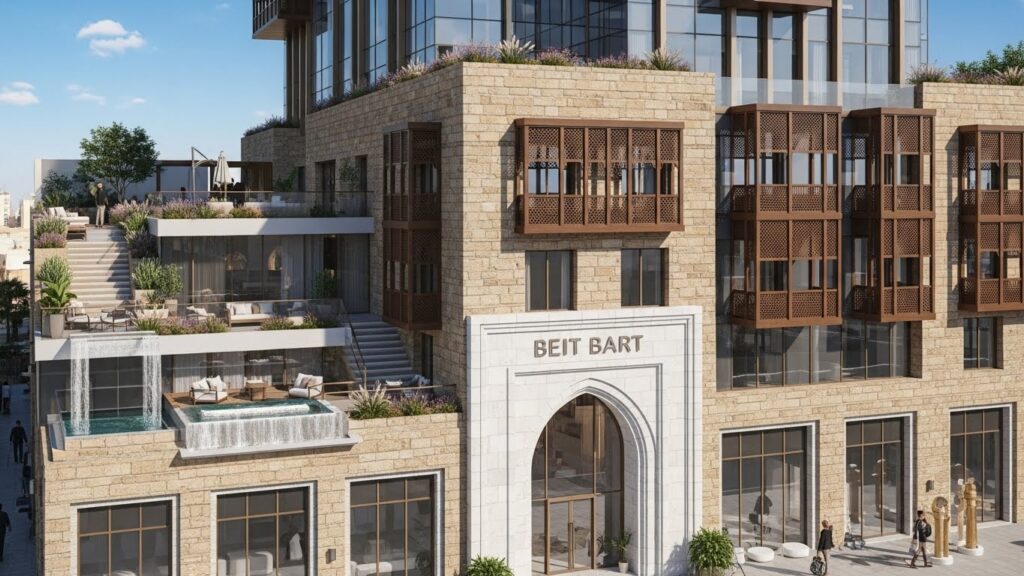
Nestled in the heart of a vibrant urban landscape, Beit Bart stands as a testament to innovative architecture that seamlessly marries tradition with modernity. This stunning project has caught the eye of architects and design enthusiasts alike, sparking conversations about how we can honor our cultural heritage while embracing contemporary techniques. With its captivating blend of historic inspiration and cutting-edge elements, Beit Bart not only redefines what it means to build but also serves as an exciting model for future developments. Let’s dive into the story behind this architectural marvel and explore how it bridges past and present in remarkable ways.
The concept and inspiration behind Beit Bart
The concept behind Beit Bart is a remarkable dialogue between past and present. It draws inspiration from the rich architectural heritage of the region while responding to contemporary needs. Architects sought to create a space that resonates with history yet embraces modernity. This vision reflects a deep respect for the cultural narratives woven into local structures.
Elements like intricate stonework pay homage to traditional craftsmanship, while open layouts symbolize progress and innovation. The design encourages interaction, blending communal spaces with private retreats. Natural light floods through expansive windows, connecting inhabitants with their surroundings. Each detail serves purpose—honoring historical roots while fostering new experiences in everyday life.
In essence, Beit Bart stands as a testament to creativity—a bridge linking generations through its thoughtful architecture and vibrant atmosphere.
The fusion of traditional and modern elements in the design
The design of Beit Bart stands as a testament to the harmonious blend of old and new. Traditional architectural styles weave seamlessly with contemporary aesthetics, creating a unique visual narrative. The intricate stonework pays homage to time-honored craftsmanship. It showcases local materials that connect the building to its cultural roots. Meanwhile, large glass panels invite natural light inside, offering an airy contrast to the solid forms.
Curved lines soften rigid structures, reflecting modern sensibilities while nodding toward historical designs. This dialogue between eras enriches the overall experience. Landscaping further enhances this fusion. Native plants surround Beit Bart, merging nature with architecture in an organic embrace. Every angle tells a story—stories of heritage interwoven with innovation, capturing both past pride and future aspirations in one striking composition.
Utilizing sustainable and eco-friendly materials and techniques
Beit Bart stands as a beacon of sustainability. The architects prioritized eco-friendly materials from the outset.
Local stone plays a significant role in its structure, ensuring minimal environmental impact. This choice not only supports regional economies but also reduces transportation emissions.
Recycled metals and reclaimed wood are woven throughout the design, adding character while minimizing waste. These elements create a harmonious blend of past and present.
Innovative techniques were employed to enhance energy efficiency. Natural ventilation systems allow fresh air to circulate freely, reducing reliance on artificial heating and cooling methods.
Rainwater harvesting is another critical feature. Captured water nourishes surrounding landscapes and contributes to the building’s overall sustainability goals.
Every aspect of Beit Bart reflects a commitment to ecological balance. It serves as an inspiring model for future projects seeking harmony with nature.
Challenges faced during the construction process
The construction of Beit Bart was not without its hurdles. One significant challenge involved integrating traditional architectural techniques with modern building practices. Striking this balance required innovative solutions and constant collaboration among architects, engineers, and craftsmen.
Weather conditions also posed difficulties. Unpredictable storms delayed certain phases of construction, creating a need for quick adjustments in project timelines.
Logistical issues arose as well; sourcing sustainable materials that matched the vision proved to be more complex than anticipated. This necessitated extensive research and partnerships with local artisans who understood both the heritage and the contemporary requirements.
Moreover, community engagement played a crucial role throughout the process. Addressing concerns from locals about preserving cultural identity while embracing modernity added another layer of complexity to decision-making.
Each obstacle presented opportunities for creative problem-solving, ultimately enriching the project’s outcome beyond initial expectations.
Public reaction to the completed project
The completion of Beit Bart sparked a wave of excitement among the local community and architecture enthusiasts alike. Many praised its innovative design, noting how seamlessly it integrates with the surrounding landscape.
Social media buzzed with images showcasing its striking facade. People shared their thoughts on various platforms, highlighting both its aesthetic appeal and cultural significance. Comments poured in from those who appreciated the balance between tradition and modernity.
Visitors flocked to experience Beit Bart firsthand. Guided tours soon became popular as people sought to understand the story behind each architectural choice. The project has inspired discussions on sustainable practices within urban development.
Critics were few but offered constructive feedback that encouraged ongoing dialogue about future projects in similar veins. This vibrant response reflects a strong connection between architecture and community values, fostering a sense of pride among residents.
Future plans for Beit Bart and its impact on architecture
Looking ahead, Beit Bart aims to evolve as a center for architectural innovation. Planners envision ongoing workshops and exhibitions that showcase the blend of traditional craftsmanship with contemporary design principles.
The project seeks to foster collaboration among architects, artists, and local communities. This will create a dynamic platform for dialogue on sustainable practices in construction.
In addition, future phases may include educational programs focused on eco-friendly building techniques. By engaging young minds, Beit Bart can inspire the next generation of architects to prioritize sustainability alongside aesthetics.
This initiative could redefine how architecture interacts with cultural heritage. As it stands now, Beit Bart is set not only to influence local landscapes but also global discussions in modern architecture trends. The ripple effects from this fusion of tradition and innovation are likely to resonate far beyond its immediate surroundings.
Conclusion
Beit Bart stands as a testament to the harmonious blend of tradition and modernity in architecture. Its unique design speaks volumes about the potential for innovation while respecting historical values. The project’s inspiration draws from cultural heritage, yet it isn’t confined by it.
The integration of sustainable materials highlights a growing awareness within the architectural community. Beit Bart showcases how eco-friendly practices can be seamlessly integrated into contemporary structures, setting an example for future developments.
Despite challenges during construction, including navigating regulatory landscapes and sourcing authentic materials, the vision remained steadfast. These hurdles ultimately contributed to a richer final product that resonates with both locals and visitors alike.
Public reception has been overwhelmingly positive. Many admire how Beit Bart revitalizes its surroundings without overshadowing them. It serves not only as a building but also as a symbol of what is possible when we honor our roots while embracing progress.
Looking forward, Beit Bart might influence upcoming projects across various regions. Its impact on architecture could inspire others to explore similar fusions of style and sustainability—reminding us that looking back doesn’t mean stalling our march toward tomorrow’s innovations.