
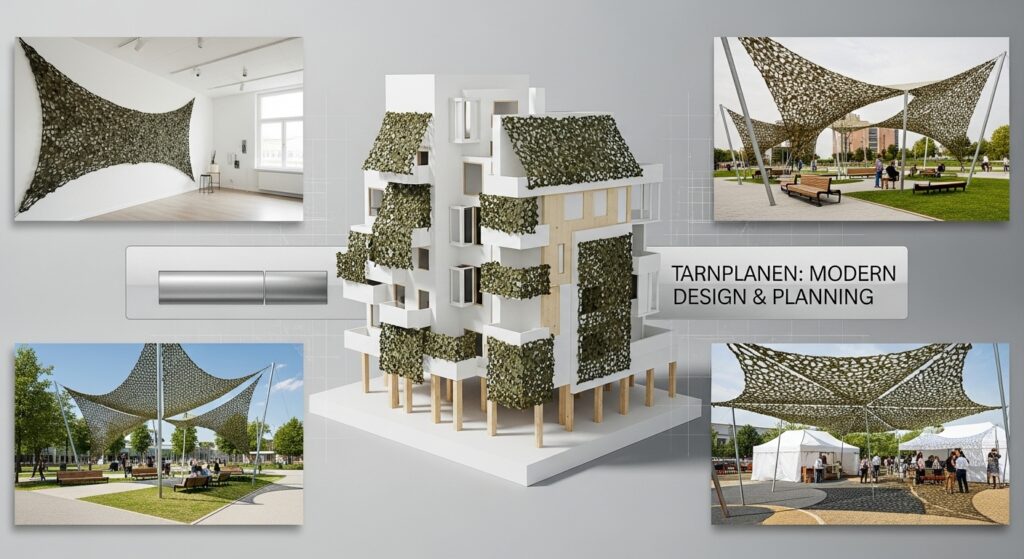
Tarnplanen is making waves in the world of modern design and planning, capturing the attention of architects, designers, and environmental enthusiasts alike. But what exactly is tarnplanen? This innovative material is not just a trend; it’s a game changer that combines functionality with creativity. As we dive into its roots and explore how it has evolved over time, you’ll discover why tarnplanen deserves a prominent place in your next project. Ready to rethink design? Let’s unfold the advantages of integrating tarnplanen into contemporary architecture and planning!
History and Origin of Tarnplanen
Tarnplanen has roots that stretch back to Scandinavian farming practices. Originally, it served practical purposes—protecting crops and livestock from harsh weather conditions. This durable material was crafted from tightly woven fabrics treated for waterproofing. Farmers quickly discovered its versatility beyond agriculture, using it in various outdoor applications.
As design aesthetics evolved, so did the use of Tarnplanen. Architects and designers began to appreciate its unique qualities. The blend of functionality with visual appeal opened doors for creative innovations. Today, Tarnplanen continues to be celebrated for its rich history while adapting seamlessly into contemporary projects. Its heritage informs modern uses, showcasing how traditional materials can find new life in today’s design landscape.
Advantages of Using Tarnplanen in Modern Design and Planning
Tarnplanen offers a multitude of advantages in modern design and planning. Its lightweight yet durable nature makes it an ideal choice for various applications, from temporary structures to long-term installations. Flexibility is one of its standout features. Designers can easily manipulate Tarnplanen to fit unique shapes and functions, allowing creative freedom without compromising on stability.
Cost savings are another significant benefit. Using Tarnplanen reduces material expenses while also minimizing labor costs due to its easy installation process. Sustainability plays a crucial role as well. Made from recyclable materials, Tarnplanen aligns with eco-friendly practices in construction and design. Moreover, the ability to withstand environmental factors—like wind or rain—adds value by ensuring longevity in outdoor projects. Every designer will appreciate this resilience when considering their project’s future viability. The aesthetic appeal of Tarnplanen opens doors for innovative designs that capture attention and inspire creativity across various industries.
Flexibility and Versatility in Design
Tarnplanen offers unparalleled flexibility in design. This unique material can adapt to various shapes and structures, making it a favorite among architects and designers. Its lightweight nature allows for easy manipulation. You can transform spaces effortlessly, catering to different functions or aesthetics without heavy machinery or extensive labor. Moreover, Tarnplanen is available in diverse colors and textures. This variety lets you play with visual elements while maintaining a cohesive look across your project.
The adaptability extends beyond just physical form; it also supports creative solutions for both indoor and outdoor settings. Whether you’re designing an open-air event space or a cozy indoor nook, Tarnplanen fits the bill perfectly. With its ability to blend seamlessly into multiple styles—from modern minimalism to rustic charm—this material empowers designers to stretch their imagination further than ever before.
Cost Savings and Sustainability
Tarnplanen offers remarkable cost savings that appeal to budget-conscious designers and planners. Its durability means less frequent replacements, which translates into lower long-term costs. Moreover, the material is often produced from recycled resources. This reduces waste and minimizes your project’s carbon footprint right from the start. Choosing Tarnplanen aligns with eco-friendly values.
Incorporating this versatile solution can also streamline construction processes. Faster installations mean reduced labor costs and quicker project completion times. The lightweight nature of Tarnplanen allows for easier handling and transportation, further reducing expenses related to logistics. It’s a win-win situation where saving money meets sustainable practices seamlessly in modern design projects. Investing in Tarnplanen not only benefits budgets but also supports a more environmentally responsible approach to planning and design.
Protection Against Environmental Factors
Tarnplanen offers robust protection against various environmental factors. Its durable materials withstand harsh weather conditions, ensuring longevity and reliability.
Rain, wind, snow—these elements can wreak havoc on traditional structures. Tarnplanen acts as a barrier, shielding valuable assets from moisture and debris. This protective layer helps prevent damage over time.
Moreover, sunlight exposure can lead to fading and deterioration. Tarnplanen provides UV resistance that preserves colors and materials beneath its cover.
In urban settings, pollution is another concern. Tarnplanen’s ability to repel dirt keeps surfaces clean for longer periods.
Using this material not only enhances durability but also minimizes maintenance costs associated with environmental wear and tear. Embracing tarnplanen in design means prioritizing resilience without compromising aesthetics or functionality.
Unique Aesthetics and Creative Possibilities
Tarnplanen offers a canvas for creativity that few materials can match. Its adaptability allows designers to explore unconventional shapes and structures, fostering innovation in every project.
The range of colors and textures available adds depth to any design. Whether you’re aiming for a sleek modern look or something more rustic, Tarnplanen fits the bill effortlessly.
Imagine vibrant outdoor installations or unique urban spaces where functionality meets artistic expression. The possibilities are endless.
Incorporating this material opens doors to dynamic visual experiences. Architects and artists alike are drawn to its potential for storytelling through design.
As sustainability becomes increasingly important, Tarnplanen’s eco-friendly attributes enhance its aesthetic appeal while making an ethical statement. It invites viewers not just to see but also to feel the space differently, engaging them on multiple levels.
Successful Use of Tarnplanen in Modern Design Projects
Tarnplanen has made a remarkable impact in various modern design projects. Its adaptability allows architects and designers to push creative boundaries. From urban parks to temporary installations, its applications are vast.
One standout example is the use of Tarnplanen in outdoor event spaces. Designers have embraced its lightweight nature, making it easy to set up and dismantle while providing shelter from unpredictable weather conditions.
Another innovative use involves transforming industrial sites into vibrant community hubs. By incorporating Tarnplanen structures, these areas gain not only functionality but also an eye-catching aesthetic that draws people in.
Additionally, businesses have utilized Tarnplanen for pop-up shops. These flexible designs allow brands to create immersive experiences without significant long-term commitments yet maintain a stylish appearance that reflects their identity.
Such successful implementations showcase how Tarnplanen can enhance both form and function in contemporary design projects across diverse settings.
How to Incorporate Tarnplanen into Your Next Project
Incorporating Tarnplanen into your design project can be a game-changer. Start by identifying areas where flexibility is key, like outdoor spaces or temporary structures.
Consider using for awnings and canopies. They provide shelter while allowing natural light to filter through, creating an inviting atmosphere.
Think about how it can enhance landscaping projects too. Use vibrant colors to blend with nature or create contrast that stands out.
For indoor applications, think of partitioning spaces without permanent walls. This allows easy reconfiguration as needs change.
Also, don’t forget the creative aspect! You could use different textures and patterns in art installations or decorative elements.
Engage local artisans who specialize in working with this material for custom designs that reflect your vision uniquely. The possibilities are vast when you let your imagination guide you.
Conclusion
Tarnplanen is emerging as a transformative element in modern design and planning. Its rich history, coupled with its impressive adaptability, offers designers and architects unique opportunities to innovate. The benefits are clear: flexibility in applications, cost savings through sustainability, protection from environmental challenges, and the potential for striking aesthetics.
As more projects showcase the successful integration of Tarnplanen, it becomes evident that this material is not just functional but also a canvas for creativity. Those looking to stay ahead in design will find an invaluable asset worth exploring.
Embracing might just be the key to achieving both practicality and artistry in your next project. Consider how this innovative option can elevate your designs while contributing positively to our environment. Whether you’re a seasoned architect or an enthusiastic designer, there’s always room for inspiration when working with such versatile materials.