
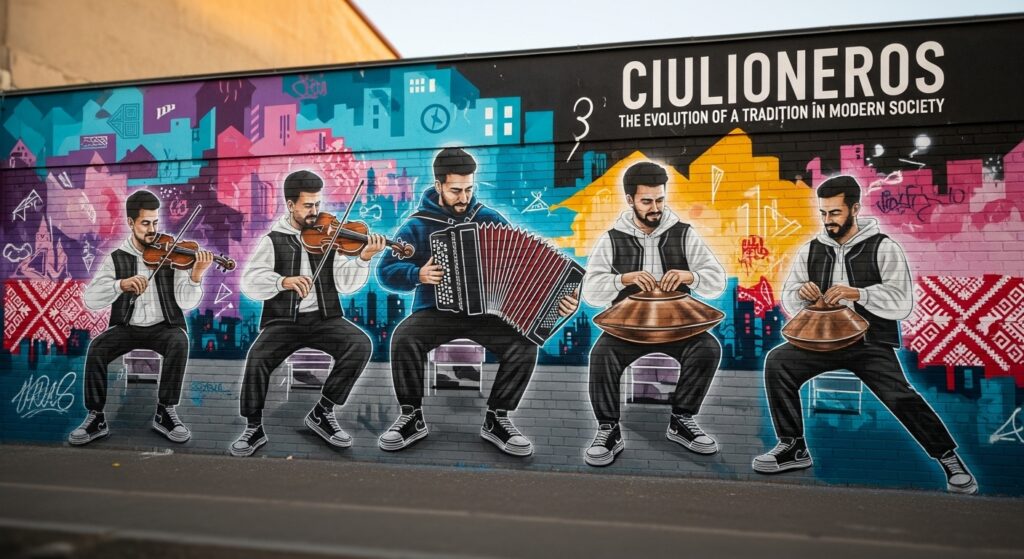
Ciulioneros are more than just a cultural phenomenon; they represent the heartbeat of tradition within modern society. As we navigate through an ever-evolving world, this unique group finds itself at the intersection of heritage and contemporary life. But what exactly makes Ciulioneros so significant? From their rich history to their role in shaping community identity, it’s clear that these figures encapsulate both nostalgia and innovation. Join us as we explore the fascinating journey of Ciulioneros—unpacking their origins, understanding their impact today, and pondering what lies ahead for this vibrant tradition.
Origin and History of Ciulioneros
The Ciulioneros trace their origins to ancient traditions deeply rooted in cultural expression. Initially, they emerged as a means of community bonding and storytelling, often intertwined with agricultural cycles. Historically, these figures were seen during seasonal festivals. They played pivotal roles in rituals that celebrated harvests and marked significant life events. Over time, the practices surrounding Ciulioneros evolved alongside societal changes.
In earlier times, costumes made from natural materials symbolized connection to nature and ancestry. As urbanization increased, so did the complexity of their attire and performances. Ciulioneros became more than just entertainers; they transformed into custodians of history. Their narratives carried wisdom passed down through generations, preserving cultural heritage amidst shifting societal norms. The interplay between tradition and modernity has shaped their identity over centuries.
The Role of Ciulioneros in Traditional Society
Ciulioneros have long been an integral part of cultural expression in traditional societies. These figures, often characterized by their distinctive attire and vibrant personalities, embody a rich tapestry of history and community spirit. In many regions, Ciulioneros serve as custodians of folklore. They bring stories to life through dance and song, preserving ancestral tales that might otherwise fade away. Their performances are more than entertainment; they are educational experiences for the younger generations.
Within communities, Ciulioneros foster social cohesion. Through festivals and gatherings, they encourage participation from all age groups. Such events strengthen communal bonds while allowing individuals to embrace their heritage collectively. The role extends beyond mere representation; it is also about resilience. In times of hardship or change, these traditions provide comfort and a sense of belonging to those who participate in or witness the celebrations surrounding them.
Modern Adaptations and Changes in Ciulioneros
Modern adaptations of Ciulioneros reflect a blend of tradition and contemporary values. Today, these cultural figures are often reimagined to resonate with younger generations. Social media plays a pivotal role in this transformation. Platforms like Instagram and TikTok allow vibrant expressions of Ciulionero culture through art, dance, and storytelling. This digital presence helps maintain interest while fostering community connections.
Furthermore, there is an increasing emphasis on inclusivity within the Ciulionero tradition. People from diverse backgrounds participate in celebrations, enriching the experience for all involved.
New interpretations also highlight environmental consciousness. Many modern Ciulioneros advocate for sustainability during festivities, promoting respect for nature alongside cultural heritage. These changes show how traditions can evolve while maintaining their core essence, reflecting society’s shifting values and priorities without losing touch with history.
Controversies Surrounding Ciulioneros
The Ciulioneros tradition, while rich and vibrant, is not without its controversies. Many argue that the practice has strayed from its authentic roots. Critics claim that commercialization is diluting its cultural significance. Some community members voice concern over how younger generations are adapting or even abandoning traditional practices. This shift can lead to a generational gap in understanding the true essence of being a Ciulionero.
Additionally, there have been disputes about who qualifies as a genuine participant in this tradition. Some say that certain groups exploit it for profit without honoring its historical context. Social media also plays a role in these debates. With increased visibility comes criticism and differing opinions on what it means to uphold such an age-old tradition amidst modern influences. The dialogue continues as communities grapple with maintaining authenticity while embracing change.
Impact on Cultural Identity and Community
The Ciulioneros serve as a vital thread in the tapestry of cultural identity. Their presence often invokes memories of heritage and tradition, reminding communities of their roots. In many regions, these figures represent resilience against modern challenges. They embody values passed down through generations, fostering a sense of belonging among individuals. Beyond nostalgia, Ciulioneros encourage intergenerational dialogue. Elders share stories with youth, bridging gaps that often widen in contemporary society.
Communities rally around them during festivals and events. This collective celebration strengthens bonds and reinforces shared identities that might otherwise fade away amidst globalization’s rise. Moreover, the evolving role of Ciulioneros reflects societal changes. As they adapt to new contexts, they become symbols not just of history but also of innovation within cultural practices. This dynamic interaction nurtures community spirit while keeping traditions alive in meaningful ways for future generations.
The Future of Ciulioneros in a Changing World
As the world evolves, so too does the tradition of Ciulioneros. These cultural figures are adapting to new societal norms and technological advancements. With social media platforms providing a stage, younger generations can now showcase their interpretations of Ciulioneros. This visibility fosters dialogue about its significance in contemporary culture. Cultural festivals incorporate modern elements, attracting diverse audiences who might not have engaged with traditional practices otherwise. The fusion of music styles and dance forms keeps the spirit alive while appealing to fresh tastes.
However, challenges lie ahead as globalization threatens local customs. Preservation efforts become vital in maintaining authenticity amid these changes. Communities must navigate this balance between honoring history and embracing innovation. The future holds promise for Ciulioneros if they continue to evolve organically while staying rooted in their rich heritage. Bridging past traditions with present realities may redefine what it truly means to be a Ciulionero today.
Conclusion
The journey of the Ciulioneros illustrates a fascinating blend of tradition and modernity. As they evolve, these figures continue to spark dialogue about cultural identity and community values. The adaptation of Ciulioneros into contemporary society demonstrates resilience, showcasing how traditions can transform while still honoring their roots.
With ongoing discussions surrounding their role and significance, it’s clear that Ciulioneros will remain an integral part of cultural conversations for years to come. Their presence fosters connections among generations, offering a unique perspective on what it means to belong in today’s world.
As we navigate this changing landscape, the future holds promise for Ciulioneros. They symbolize continuity amid change—a bridge between past customs and future possibilities within communities eager for authentic representation and connection.