
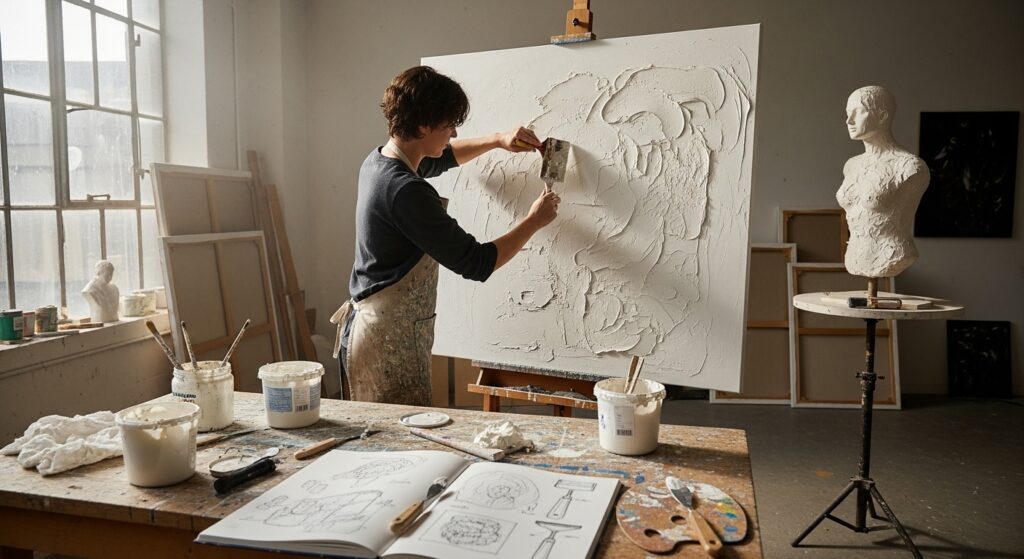
Welcome to the vibrant world of Gessolini, where art meets innovation in a unique and captivating medium. If you’ve ever marveled at intricate textures or stunning layers in artwork, Gessolini might just be your next favorite discovery. This fascinating technique blends traditional methods with modern creativity, resulting in pieces that are rich in detail and bursting with personality. Whether you’re an aspiring artist or simply someone who appreciates the beauty of handcrafted art, exploring Gessolini can open up new avenues for expression. Get ready to dive into its history, learn how to create your own masterpieces, and uncover why this medium deserves a place in your artistic journey!
The History and Origins of Gessolini
Gessolini traces its roots back to the Renaissance, where artists sought innovative ways to enhance their painting techniques. The name itself is derived from “gesso,” a traditional preparation material made from gypsum or chalk.
Initially, gessos were used primarily as base layers for oil and tempera paintings. However, artists began experimenting with different textures and finishes, leading to the birth of Gessolini as a distinct medium.
By blending pigments into gesso mixtures, creators discovered they could achieve unique effects. This allowed for greater versatility in artistic expression. Over centuries, Gessolini evolved alongside various art movements—from Baroque grandeur to modern abstract forms—adapting while retaining its core principles.
Today, it serves not just as an artistic tool but also as a testament to innovation within the craft community. The medium has captured the imaginations of many who appreciate both its historical significance and contemporary applications.
Materials and Tools Needed for Creating Gessolini Art
Creating Gessolini art requires a specific set of materials that can enhance your artistic expression. The foundation is the gesso itself, typically made from chalk or plaster mixed with a binder. This gives your artwork its unique texture.
You’ll also need high-quality paper or wood panels to serve as your canvas. Both surfaces absorb the gesso differently, producing varied effects.
Essential tools include brushes for application and palette knives for layering textures. A fine spray bottle filled with water can help keep the surface workable while you create.
Don’t forget about pigments! These are crucial for adding color and dimension to your pieces. Experimenting with different mediums like oil paints or pastels can further expand your creative possibilities.
An apron will keep you clean during this messy but rewarding process. Gather these essentials, and you’re ready to explore the world of Gessolini art!
Step-by-Step Guide to Making Your Own Gessolini Masterpiece
Start by gathering your materials. You’ll need a sturdy canvas or wood panel, gesso, acrylic paint, and various tools like brushes and palette knives.
Begin with a base layer of gesso to create texture on your surface. This will help the colors pop later on. Let it dry completely before moving to the next step.
Next, apply another layer of gesso in different patterns or swirls using your palette knife for added depth. Don’t hesitate to experiment; this is where creativity shines.
Once dry, bring in the color! Use acrylic paints to fill in areas of interest and blend them seamlessly into the textured background.
Add details with fine brushes or sponges for unique effects. Remember that layering is key—allow each stage to dry before adding more elements for maximum impact. Enjoy the process!
Tips and Tricks for Working with Gessolini
When working with Gessolini, preparation is key. Ensure your workspace is clean and well-organized. This will help you stay focused and manage the various materials you’ll be using.
Experiment with different textures. Use brushes, palette knives, or even sponges to create unique effects. Each tool brings its own character to the piece.
Don’t rush through drying times. Patience allows layers to set properly, enhancing depth in your artwork.
Layering can transform your work dramatically; start with a solid base before adding details gradually.
Always keep a notebook handy for jotting down ideas or sketches as inspiration strikes unexpectedly. Documenting your process can guide future projects too.
Embrace imperfections—they often lead to delightful surprises that enhance the overall composition of your Gessolini piece.
The Versatility of Gessolini: Different Techniques and Applications
Gessolini offers a remarkable range of techniques that cater to various artistic preferences. Its adaptability makes it suitable for both detailed work and abstract expression.
One popular technique involves applying multiple layers, allowing artists to create depth and texture. This can result in stunning visual effects that draw viewers in.
Another approach is the incorporation of mixed media. Artists often combine Gessolini with watercolor or ink, enriching their pieces with vibrant colors and unique textures.
The medium also shines in mural painting, where large-scale works come alive with intricate designs. The durability of Gessolini ensures these creations stand the test of time.
Gessolini’s versatility extends to crafts as well; from handmade cards to decorative home accents, its applications are endless. Experimenting with different methods opens up new avenues for creativity and self-expression.
Famous Artists who have used Gessolini in their Work
Many renowned artists have embraced gessolini for its unique texture and versatility. One such artist is Giovanni Battista Tiepolo, who infused his works with vibrant colors and intricate details using this medium in the 18th century.
Contemporary creators like Julie Mehretu have also made a mark with gessolini, blending traditional techniques with modern themes. Their innovative approaches breathe new life into the medium.
Not to be overlooked, street artist Vhils utilizes gessolini in urban spaces, transforming walls into captivating stories through layering and engraving.
These artists demonstrate how gessolini transcends boundaries—bridging classical art forms with contemporary expressions. Each stroke and layer tells a story of creativity that resonates across generations.
Why You Should Try Gessolini Today
Gessolini offers a refreshing escape for both seasoned artists and curious beginners. This unique medium combines the richness of traditional techniques with modern creative freedom.
Imagine exploring textures that evoke emotion. Gessolini allows you to experiment with layers, creating depth in your artwork like never before. Each stroke reveals surprises, inviting spontaneity into your practice.
Moreover, working with Gessolini fosters mindfulness. The process engages your senses, allowing you to connect deeply with each creation. You’ll find joy in the journey as much as in the final piece.
Additionally, it’s versatile enough for various styles—from abstract to realism. Whether you’re looking to create stunning wall art or intricate illustrations, Gessolini can adapt beautifully.
Trying something new is always invigorating. With its endless possibilities and engaging nature, diving into Gessolini might just ignite a spark within you that you didn’t know existed.
Conclusion
Gessolini is more than just an artistic medium; it’s a blend of tradition and innovation. Its rich history reflects the creativity of various cultures throughout time. The unique materials and tools required for this art form open doors to endless possibilities.
Creating your own Gessolini masterpiece can be an exciting journey. Each technique offers a distinct method that allows you to express yourself in new ways. Whether you’re a seasoned artist or just starting, the tips shared can enhance your experience.
Many renowned artists have embraced Gessolini, showcasing its versatility across different styles and applications. This medium encourages experimentation, making it perfect for anyone looking to push their creative boundaries.
Trying Gessolini today will introduce you to a world where art meets craftsmanship. Engaging with this unique medium may inspire fresh ideas while enriching your artistic skills. The satisfaction of creating something beautiful with your own hands is worth exploring further!