The dynamic landscape of dental surgery is experiencing transformative change thanks to cutting-edge technologies and novel treatment approaches. Enhanced precision, efficiency, and comfort are now readily attainable in modern dentistry, bringing a new level of patient-centered care to both simple and complex procedures. Whether it’s the intricate placement of dental implants or advanced cosmetic restorations, innovations are continually shaping better solutions for surgeons and patients alike. Those seeking to further their expertise in these domains often turn to renowned educational sources, such as the Pikos Institute, which emphasizes mastery of advanced surgical techniques.
For patients, these advancements mean greater access to minimally invasive treatments, faster recovery times, and improved long-term results. Dentists and oral surgeons can now leverage digital and automated tools to enhance diagnostic accuracy and surgical performance, all while fostering a more comfortable clinical experience for individuals receiving care.
From robotics to artificial intelligence and beyond, understanding these approaches empowers both providers and patients to make evidence-based choices and prepare for the future of dental care. These breakthroughs are not exclusive to high-profile clinics, but are becoming the norm in everyday practice, transforming routine dentistry for people worldwide.
Robot-Assisted Dental Surgery
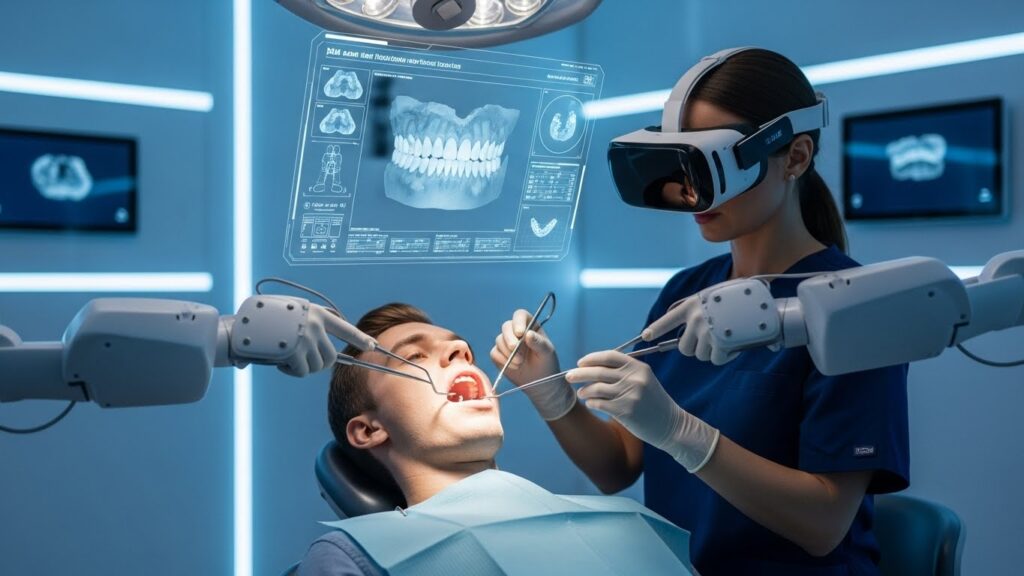
Robotic technology is redefining the standards of precision and safety in dental surgery. Modern systems are designed to support practitioners during endodontic therapy, implant placement, and even complex jaw surgeries. These robots can make micro-adjustments in real-time, minimizing human error and allowing for consistently accurate outcomes, thereby reducing the likelihood of complications or postoperative discomfort. Surgeons benefit from enhanced visualization, improved control, and the option to integrate computer-guided planning into every procedure.
By incorporating autonomous robotic support, dental teams can achieve greater consistency and efficiency compared to manual techniques alone. Patients, in turn, may notice shorter procedure times, faster healing, and reduced anxiety, especially in surgeries previously considered complex or high risk.
Artificial Intelligence in Dental Procedures
Artificial intelligence is revolutionizing dental diagnostics and treatment planning. AI-powered algorithms can analyze dental images and patient histories with exceptional accuracy, enabling the earlier detection of oral diseases such as caries, periodontal disease, and even oral cancers. These advanced systems enable practitioners to identify patterns that may be overlooked by the human eye, thereby supporting data-driven decision-making throughout the diagnosis and treatment process.
Further benefits include the automation of administrative tasks, such as scheduling, charting, and claims processing, which streamlines workflow and allows dental teams to devote more time to patient care. As AI technology continues to mature, its integration into digital radiography, electronic health records, and predictive analytics holds tremendous promise for the field.
3D Printing in Dentistry
3D printing is rapidly changing the way dental prosthetics and surgical guides are manufactured. This transformative technology enables the creation of custom-fit crowns, bridges, aligners, and implant components tailored precisely to individual patients’ oral anatomy. Dental professionals can now fabricate restorations on-site, often within just a few hours, leading to same-day service for many treatments.
Beyond speed and convenience, 3D printing ensures a superior fit, minimizing the need for adjustments and supporting optimal functional and aesthetic results. Additionally, it allows the production of accurate surgical guides for complex implant placement or bone grafting procedures, further increasing the predictability of successful outcomes.
Teledentistry and Remote Consultations
Teledentistry is breaking down barriers to access and making quality dental care more inclusive. Remote consultations enable patients to connect with dental professionals from the comfort of their own homes, allowing for a prompt assessment of symptoms, ongoing postoperative care, and counseling on preventive practices. This approach is especially valuable for those living in rural areas, individuals with disabilities, and busy families juggling packed schedules.
Digital platforms now support secure video visits, asynchronous reviews of images and records, and interactive treatment planning between patients and multidisciplinary teams. Teledentistry’s convenience also encourages regular follow-up, supporting better long-term oral health and compliance with prescribed therapies.
Minimally Invasive Techniques
Minimally invasive dentistry is dedicated to preserving natural tooth structure while effectively treating dental diseases and restoring optimal function. One cutting-edge method, Atraumatic Restorative Treatment (ART), involves the gentle removal of decayed tissue using hand instruments, followed by the placement of a biocompatible filling—all without the need for traditional drilling or anesthesia. Such techniques are gaining favor among both practitioners and patients for their ability to reduce pain, anxiety, and recovery time.
Elsewhere, advances in micro-surgical instruments and digital imaging enable less invasive approaches to root canals, gum surgeries, and extractions. These procedures promote faster healing, reduced postoperative swelling, and a lower risk of infection, all while supporting optimal long-term oral health.
Conclusion
The field of dental surgery is undergoing a remarkable transformation. Incorporating robotics, artificial intelligence, 3D printing, teledentistry, and minimally invasive techniques, today’s dental care is more precise, streamlined, and patient-friendly than ever. These advances empower both practitioners and patients, enabling superior treatment outcomes and accessibility on a global scale. By staying current with these trends, individuals and dental professionals alike can make more informed care decisions, anticipate future innovations, and contribute to the ongoing evolution of oral health.