
Have you ever felt the need to reconnect with something deeper within yourself? Jyokyo might just be what you’re looking for. This fascinating practice seamlessly blends tradition and modernity, offering a unique approach to mindfulness and self-awareness. Originating from rich cultural roots, Jyokyo invites individuals on a journey of exploration—both of their heritage and their personal growth. Whether you’re curious about ancient customs or seeking new ways to enhance your daily routine, this blog will guide you through the essence of Jyokyo, revealing its historical significance and contemporary applications. Dive in as we uncover what makes this practice so special!
What is Jyokyo?
Jyokyo is a multifaceted practice that intertwines elements of spirituality, mindfulness, and cultural heritage. Rooted in ancient traditions, it emphasizes the importance of self-awareness and connection to one’s surroundings.
At its core, Jyokyo invites individuals to delve into their inner selves while fostering harmony with nature. This balance is achieved through various rituals, meditative techniques, and reflective practices.
What sets Jyokyo apart is its adaptability. While steeped in tradition, it evolves alongside modern lifestyles. Practitioners can tailor their experiences to fit personal beliefs and daily routines.
Through this dynamic approach, Jyokyo serves as both a spiritual journey and a practical tool for enhancing mental well-being. It encourages individuals to embrace their authentic selves while cultivating deeper relationships with others and the world around them.
History and Origins of Jyokyo
Jyokyo has deep roots in ancient practices. Its origins trace back to Japan, where it emerged as a holistic approach to well-being.
Historically, Jyokyo was influenced by Shinto and Zen Buddhism. These traditions emphasized harmony with nature and inner peace. Over centuries, practitioners adapted these philosophies into daily rituals.
During the Edo period, Jyokyo gained popularity among samurai and artisans alike. They sought balance amidst the chaos of urban life. This era shaped many techniques still used today.
As modernization swept through Japan in the 20th century, Jyokyo faced challenges but also opportunities for revival. Adaptations began to blend traditional methods with contemporary lifestyles.
Today, its rich history continues to inspire individuals seeking mindfulness and connection in an increasingly fast-paced world. The essence remains: find tranquility through age-old wisdom while navigating modernity’s demands.
Traditional Practices of Jyokyo
Traditional practices of Jyokyo are deeply rooted in spirituality and community. They emphasize connection with nature, guiding participants to engage mindfully with their surroundings.
Rituals often involve meditation, chanting, or movement that harmonizes body and spirit. These activities foster a sense of peace and grounding.
Ceremonies may be held during seasonal changes, celebrating the cycles of life. Participants dress in traditional garments that reflect cultural heritage, enhancing the overall experience.
Storytelling plays a crucial role as well. Elders share wisdom through tales passed down generations, enriching the community’s understanding of their shared history.
The use of natural elements is prevalent too. Flowers, herbs, and stones are commonly integrated into rituals, symbolizing various aspects of existence. This connection reinforces respect for nature’s gifts.
Through these practices, Jyokyo fosters not only individual growth but also strengthens communal bonds among its practitioners.
Modern Interpretations of Jyokyo
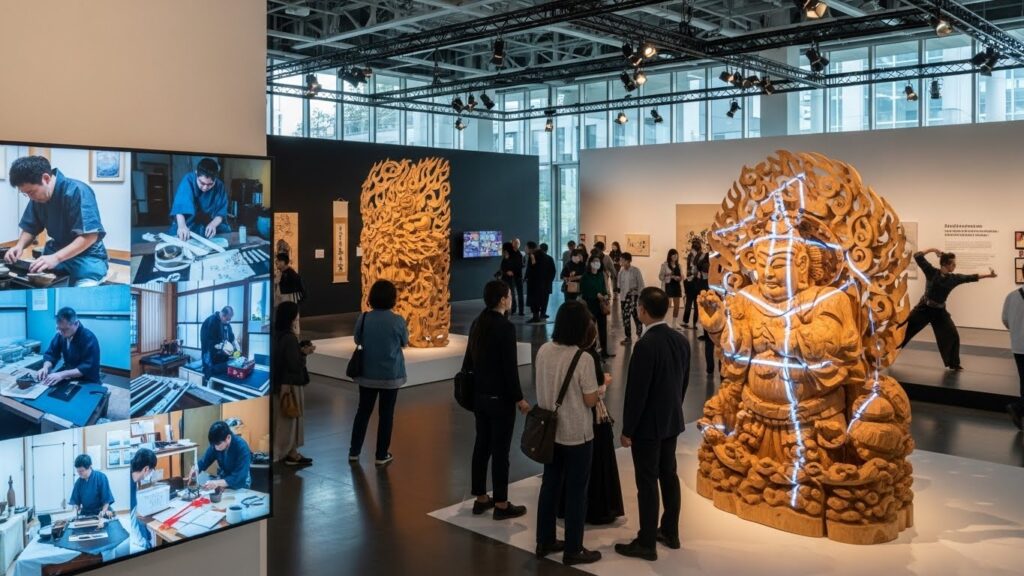
Modern interpretations of Jyokyo reflect a fascinating blend of tradition and innovation. Today, many practitioners adapt these ancient practices to fit contemporary lifestyles.
Yoga studios incorporate elements of Jyokyo, offering classes that focus on mindfulness and meditation alongside physical postures. This fusion allows individuals to experience the spiritual essence while maintaining flexibility in their routines.
Artistic expressions have also evolved from Jyokyo’s principles. Artists are now creating multimedia works that explore its themes, merging visual art with performance to convey deeper meanings.
Social media plays a significant role too. Influencers share personal journeys with Jyokyo, inspiring others through relatable stories and practical tips for integrating these philosophies into daily living.
This dynamic evolution ensures Jyokyo remains relevant, allowing each generation to find unique significance in its teachings while fostering community connections across diverse cultures.
Benefits of Practicing Jyokyo
Practicing Jyokyo offers numerous benefits that extend beyond mere tradition. Engaging in these ancient practices can enhance mental clarity and emotional balance. Many find a sense of calm and focus, helping to alleviate stress.
Physical health also sees improvement through the incorporation of movement and mindfulness found in Jyokyo routines. Regular practice promotes flexibility, strength, and overall well-being.
Moreover, embracing Jyokyo fosters a deep connection with culture and heritage. Participants often feel enriched by understanding their roots while exploring profound philosophies.
Community plays an essential role as well. Joining groups or classes centered around builds relationships with like-minded individuals who share similar values and interests.
The holistic approach of nurtures not just individual growth but collective harmony within communities too. This blend creates a supportive environment for everyone involved in this evolving journey.
How to Incorporate Jyokyo into Daily Life
Incorporating Jyokyo into daily life can start with simple practices. Begin your mornings by setting intentions through mindfulness or meditation. This sets a positive tone for the day.
Consider blending traditional rituals into your routine. For instance, try tea ceremonies to cultivate presence and appreciation in everyday moments.
You might also explore nature walks, allowing yourself to connect with the environment deeply. Observe details around you—this is a core element of philosophy.
Journaling about your experiences can further enhance this practice. Reflect on what you observe and feel during these moments of connection.
Moreover, share ideas with friends or family members interested in exploring these concepts together. Group activities can enrich the journey while fostering community bonds.
Adapt principles to personal hobbies—be it art or cooking—that resonate with you emotionally and spiritually.
Conclusion
Jyokyo represents a rich tapestry of tradition and modernity. Its origins are steeped in history, showcasing practices that have been passed down through generations. These traditional elements offer a glimpse into the values and beliefs of those who came before us.
As we explore Jyokyo today, it’s clear that its principles can be adapted to fit contemporary life. The modern interpretations breathe new life into age-old rituals, making them relevant for today’s audience. This adaptability is one reason why Jyokyo continues to thrive.
The benefits of practicing extend beyond personal growth; they foster community connections too. Incorporating these practices into daily routines can lead to enhanced well-being and mindfulness.
Embracing isn’t just about respecting the past; it’s about integrating those lessons into our current lifestyles. Whether through meditation, art, or community gatherings, there are countless ways to experience this unique cultural practice firsthand.
By understanding and engaging with , individuals not only enrich their lives but also contribute to the preservation of an important cultural heritage for future generations.