
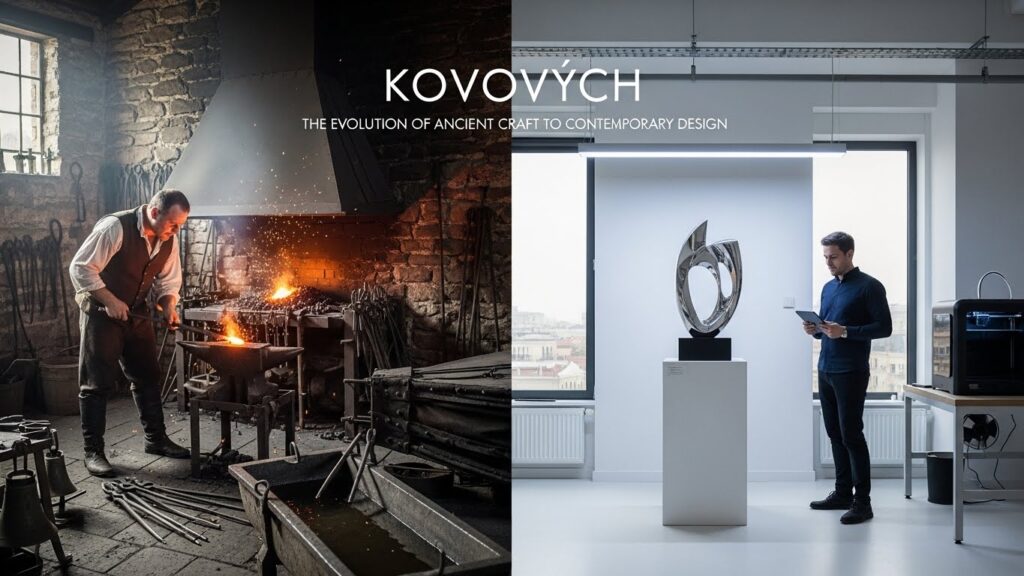
Kovových, a term that echoes through the ages, represents the fascinating journey of metal craftsmanship from ancient times to contemporary design. This art form has roots steeped in history, tracing back to civilizations that utilized metal for both utility and beauty. Today, Kovových is experiencing a vibrant revival as modern artisans blend traditional techniques with innovative concepts. With each piece crafted, Kovových tells a story—one of culture, creativity, and an enduring connection to our past. As we explore this evolution further, you’ll discover how these timeless creations are reshaping our understanding of art and function in today’s world.
The Use of Metal in Ancient Times
Metal has played a pivotal role in human history, marking the dawn of civilization. Early societies discovered metals like copper and bronze, which transformed tools and weaponry.
These materials offered durability that stone could not match. With their newfound strength, ancient cultures advanced agriculture, warfare, and craftsmanship.
Artifacts from this era reveal intricate designs. Skilled artisans shaped metal into jewelry, ceremonial objects, and functional items.
Trade routes expanded as communities sought these valuable resources. The lustrous appeal of gold made it a symbol of wealth and power.
Ancient civilizations recognized the aesthetic qualities of metal too. Decorative applications flourished alongside utilitarian uses in temples and homes.
From Egyptian tombs to Greek sculptures, the impact is evident everywhere around us today. This rich legacy laid the groundwork for modern techniques seen in Kovových design.
Revival of Kovových in Modern Design
The revival of Kovových in modern design has taken the creative world by storm. This ancient craft, once relegated to museums and history books, is now a vibrant part of contemporary aesthetics.
Designers are embracing its rich textures and forms. They blend traditional techniques with innovative ideas, creating stunning pieces that resonate with today’s audience.
Metal’s versatility shines through in furniture, lighting, and art installations. Artists experiment with various alloys, pushing boundaries while honoring age-old methods.
This resurgence speaks to a longing for authenticity. Consumers appreciate craftsmanship that tells a story—each piece unique yet rooted in history.
Kovových offers not just beauty but also sustainability. As more designers prioritize eco-friendly materials, metal stands out for its durability and recyclability.
In homes and public spaces alike, Kovových elements add character. They create an inviting atmosphere where tradition meets modern living seamlessly.
Techniques and Materials Used in Kovových
Kovových craftsmanship relies on a rich tapestry of techniques and materials. Blacksmithing remains at the heart, where artisans skillfully manipulate heated metal into intricate shapes.
Welding is another vital technique that creates seamless joints, allowing for innovative designs without compromising strength. This method opens doors to experimental aesthetics in modern Kovových works.
Artisans also embrace various metals like steel, bronze, and copper. Each material brings its unique character—steel offers durability while bronze provides warmth through its patina over time.
Surface treatments enhance these pieces further. Hammered finishes add texture, while polishing brings out a mirror-like sheen.
The combination of traditional methods with contemporary innovations makes each Kovových piece distinctive and captivating. Whether it’s an elegant sculpture or functional furniture, the artistry shines through every detail.
Famous Contemporary Kovových Artists
The world of Kovových is enriched by numerous contemporary artists who bring fresh perspectives to this ancient craft. Among them, Janek Dvořák stands out for his innovative approach. He blends traditional techniques with modern aesthetics, creating pieces that resonate with both history and modern design.
Another notable figure is Eva Štěpánová. Known for her intricate metal sculptures, she transforms raw materials into emotive works of art. Her designs often reflect nature’s forms, merging organic inspiration with industrial processes.
Then there’s Petr Varga, whose minimalistic style redefines the boundaries of Kovových. His sleek lines and functional designs appeal to those who appreciate simplicity without sacrificing artistry.
These artists not only preserve the legacy of Kovových but also push its boundaries further into the realm of contemporary art. Their unique contributions continue to inspire a new generation of craftsmen and enthusiasts alike.
The Impact of Kovových on Interior Design and Architecture
Kovových has made a significant mark on contemporary interior design and architecture. Its blend of tradition and modernity creates a unique aesthetic that appeals to many.
The use of metal elements in spaces introduces an industrial yet sophisticated vibe. From intricate light fixtures to bold furniture pieces, Kovových adds character and depth.
Architects often incorporate these designs into both residential and commercial projects. The versatility of metal allows for creative expression while ensuring durability.
Homeowners are increasingly drawn to Kovových accents in their decor. Whether it’s a statement sculpture or stylish railings, these pieces elevate the surrounding environment.
Moreover, sustainability plays a role in today’s design choices. Many artists prioritize eco-friendly methods when creating their Kovových works, making them appealing to environmentally conscious consumers.
As more designers embrace this ancient craft, its influence continues to shape modern aesthetics across various settings.
The Timeless Beauty of Kovových Craftsmanship
Kovových craftsmanship embodies a unique fusion of tradition and innovation. Each piece tells a story, reflecting the skilled hands that shaped it.
The intricate designs often draw inspiration from nature. Curves mimic flowing rivers, while sharp angles evoke mountain peaks. This connection to the environment makes Kovových art deeply resonant.
Durability is another hallmark of this craft. Metal can withstand the test of time, maintaining its beauty through years of use and changing trends.
Artisans infuse their work with personal touches, ensuring every item is one-of-a-kind. This individuality adds charm to each creation.
Whether used in decor or functional items, Kovových captures attention effortlessly. Its aesthetic versatility complements various styles—from rustic to modern design—making it an enduring choice for interior spaces.
Conclusion
Kovových represents a fascinating journey from ancient craftsmanship to modern aesthetic expression. This unique craft has not only evolved in technique but also in its placement within contemporary design contexts.
The history of Kovových is rich with tradition and cultural significance, rooted deeply in the use of metal by our ancestors. As time progressed, artisans found innovative methods to manipulate this elemental material, paving the way for new artistic expressions that resonate today.
Its revival highlights how creators can draw inspiration from historical practices while infusing them with fresh perspectives. The techniques used today incorporate both age-old skills and cutting-edge technology, creating pieces that are as functional as they are beautiful.
Contemporary artists harness these principles to create stunning works that challenge conventional boundaries. Their contributions have made significant impacts on spaces we inhabit daily, enhancing interior design and architectural features alike.
With each piece crafted through Kovových techniques, there is a story—a connection between past traditions and future possibilities. The timeless beauty inherent in this form of art continues to inspire collectors and designers around the world.
As you explore the world of Kovových, you’ll discover not just objects but narratives woven into every creation—an ongoing evolution reflecting humanity’s relationship with materials that shape our lives.