
Sewing is an art that combines creativity with technique, and one of the most crucial aspects often overlooked is the choice of seam types, or as they say in German, Nahttypen. Whether you’re a seasoned sewist or just starting out, understanding these various seam finishes can elevate your projects from basic to breathtaking. Seam finishes don’t just hold fabric pieces together; they enhance durability and provide that polished look we all strive for. Ready to dive into the fascinating world of Nahttypen? Let’s unravel this key element of sewing!
What are Nahttypen (Seam Types)?
Nahttypen, or seam types, refer to the various methods used to join fabric pieces in sewing. Each type serves a specific purpose, from creating structural integrity to enhancing visual appeal. Seam types can be as simple as straight stitches or more complex like decorative seams. Understanding each type is essential for achieving the desired finish on your project.
Different Nahttypen are suited for different fabrics and garment styles. For example, lightweight fabrics may require delicate seams, while heavier materials need robust stitching techniques. Incorporating the right seam type not only impacts durability but also influences how garments drape and move. Choosing wisely can elevate your work from merely functional to truly stunning.
Importance of Seam Finishes in Sewing
Seam finishes play a crucial role in the overall quality of your sewing projects. They not only enhance the appearance but also contribute to the durability of your garments. When raw edges are left unfinished, fraying can occur over time, compromising the integrity of your fabric. Using appropriate seam finishes prevents this deterioration. It keeps seams intact and maintains the structure of clothing items longer than simple stitching would allow.
Moreover, seam finishes can affect comfort as well. A well-finished seam feels smoother against the skin, preventing irritation from rough edges. Different projects may require different types of finishes based on fabric type and intended use. Choosing wisely ensures that each piece meets both aesthetic and functional standards while showcasing your craftsmanship effectively.
Different Types of Seam Finishes:
When it comes to seam finishes, understanding the different types can elevate your sewing projects. Each finish serves a unique purpose and is suited for specific fabrics and designs.
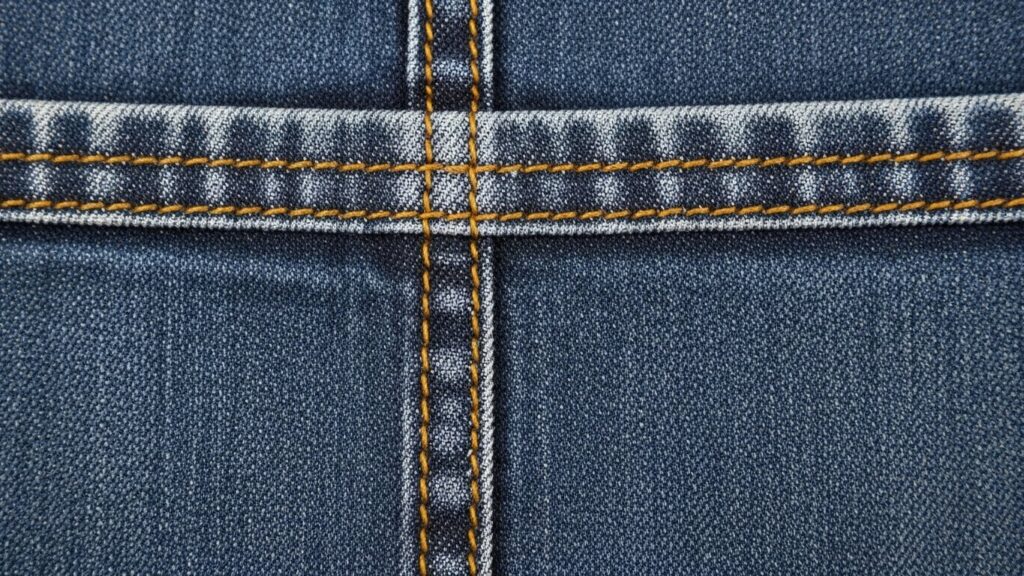
The flat felled seam stands out for its durability. It’s commonly used in denim garments due to its strength and neat appearance. This type of seam encloses raw edges, preventing fraying while adding a professional touch.
Another popular option is the French seam. Ideal for lightweight fabrics, this technique hides raw edges inside a double-stitched enclosure. It’s often favored in delicate blouses or sheer curtains.
For those working with knits, the zigzag stitch provides flexibility. This finish allows stretchy seams that move gracefully without breaking.
Choosing the right finish depends on fabric weight and intended use, making it essential to understand each type’s characteristics before diving into your project.
Flat felled seam
The flat felled seam is a favorite among sewists for its durability and clean finish. This seam type consists of two fabric edges being joined together, then folded over and stitched down.
You often see it in denim garments, like jeans. It provides strength to withstand wear while also giving a polished look. Plus, the enclosed raw edges prevent fraying.
Creating this seam requires careful measuring and precise stitching. It’s essential to press each fold well for that professional appearance everyone desires.
When opting for a flat felled seam, consider your fabric choice carefully—heavier fabrics work best. This technique not only enhances longevity but also elevates the aesthetic appeal of your project by adding subtle dimension along the seams.
Tips for Choosing the Right Seam Finish for Your Project
Choosing the right seam finish can elevate your sewing project significantly. Start by considering the fabric type. Lightweight fabrics may require a delicate finish, while heavier materials can handle more robust seams.
Think about the garment’s purpose as well. For items that endure frequent wear and tear, opt for durable finishes like flat-felled seams. This adds strength and ensures longevity.
Don’t forget aesthetics! Some finishes are designed to be seen, adding visual interest to your work. If you’re making something special, consider decorative options like French seams or bound edges.
Practice is key. Test different finishes on scrap pieces before committing them to your final project. This experimentation will help you gain confidence and refine your technique for stunning results every time.
Step-by-Step Guide to Achieving Perfect Seam Finishes
Achieving perfect seam finishes requires attention to detail and the right techniques. Start by selecting your fabric and thread wisely, ensuring they complement each other.
Prepare your seams by pressing them open before finishing. This helps in achieving a crisp edge. Choose a seam finish that suits your project—whether it’s a flat felled seam or another type.
For a flat felled seam, stitch the raw edges together first. Then trim one side slightly shorter than the other. Fold the longer piece over the trimmed edge and topstitch for a clean look.
After sewing, always press your seams again for added precision. Use proper tools like scissors or pinking shears to trim any excess fabric without disrupting the finish.
Practice makes perfect! Test different methods on scraps before committing to your final project to ensure you achieve that flawless look every time.
Troubleshooting Common Seam
When working with seams, issues can arise unexpectedly. One common problem is puckering. This often happens when the fabric tension is too tight during sewing. To fix this, adjust your machine’s tension settings or try using a different needle type. Another frequent issue involves fraying edges. If your seams are unraveling after washing, consider finishing them with a zigzag stitch or an overlock seam. These techniques help secure the raw edges effectively.
Sometimes, you might notice uneven stitches along the seam line. This can occur due to improper feeding of the fabric through the machine. Ensure that both layers feed evenly by using walking feet or guiding the fabric gently as you sew. If you’re dealing with bulky seams that don’t lay flat, trimming excess bulk and pressing properly can make a significant difference in achieving a smooth finish on your project.
Conclusion
Achieving the perfect seam finish is a blend of art and technique. Understanding nahttypen, or seam types, allows you to elevate your sewing projects significantly. Each type of seam comes with its own set of characteristics that can enhance both the durability and aesthetics of your garment.
The importance of proper seam finishes cannot be overstated. They not only prevent fraying but also contribute to the overall look and feel of your creation. Whether you’re working on lightweight fabrics or heavier materials, choosing the right finish is crucial.
From flat felled seams to French seams, knowing when and how to use different nahttypen makes all the difference in achieving professional results. Don’t forget to consider factors such as fabric type, project purpose, and personal style when selecting a seam finish.
With our step-by-step guide in hand, mastering these techniques becomes achievable for anyone eager to improve their sewing skills. And should you encounter any common issues along the way? Troubleshooting those problems will ensure that every piece you create reflects quality craftsmanship. By integrating these tips into your sewing routine, you’ll find yourself creating beautifully finished garments that stand out for all the right reasons—making this journey truly rewarding and enjoyable.