
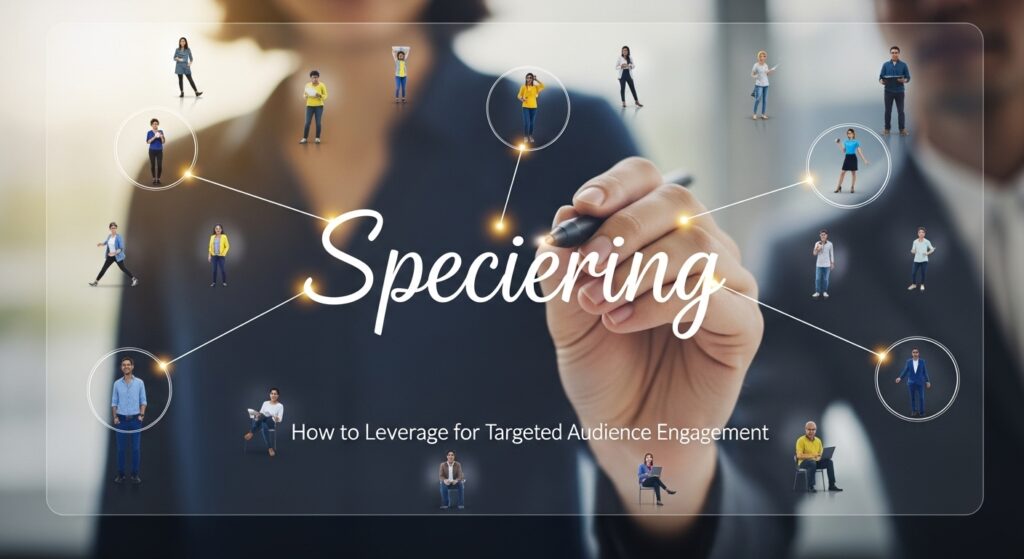
In today’s fast-paced digital landscape, capturing the attention of your target audience is more challenging than ever. With an overload of information vying for their focus, how can businesses stand out? Enter *speciering*, a powerful strategy designed to create tailored experiences that resonate deeply with specific segments of your audience. This approach not only enhances engagement but also fosters meaningful connections. As we dive into the world of speciering, you’ll discover its significance in engaging targeted audiences and unlocking new pathways for business success. Get ready to explore innovative ways to connect and thrive!
What is Speciering?
Speciering is a marketing strategy focused on identifying and catering to specific audience segments. Instead of taking a one-size-fits-all approach, it emphasizes the need for customization in messaging and offerings.
At its core, speciering involves segmenting your audience based on shared characteristics or behaviors. This can include demographics, interests, or purchasing patterns. By understanding these nuances, businesses can create targeted campaigns that speak directly to their audience’s needs and preferences.
This tailored engagement fosters stronger connections and encourages loyalty. When individuals feel understood by a brand, they are more likely to engage meaningfully with its content and products.
In essence, speciering transforms how companies communicate with potential customers. It moves beyond broad marketing tactics into personalized interactions that resonate deeply with each unique group.
Understanding the Importance of Targeted Audience Engagement
Targeted audience engagement is critical in today’s marketing landscape. It involves connecting with specific groups that share common interests and needs. This approach goes beyond just reaching a broad audience.
Understanding your target demographic allows for tailored messaging. When you speak directly to the right people, they are more likely to respond positively. This can lead to higher conversion rates and increased brand loyalty.
Engagement also fosters community. When audiences feel recognized, they are more likely to interact with your content and share it within their networks.
Data plays a significant role here; analytics help identify patterns in behavior and preferences. By leveraging this information, businesses can create strategies that resonate deeply with their intended audience.
Targeted engagement builds meaningful relationships between brands and consumers, setting the stage for long-term success.
The Benefits of Speciering for Businesses
Speciering offers a range of benefits that can significantly enhance business performance. By honing in on specific audience segments, companies can tailor their messaging and services to meet unique needs. This leads to higher engagement rates.
When businesses implement speciering strategies, they often see improved customer loyalty. Personalized experiences foster stronger connections with consumers who feel understood and valued.
Moreover, speciering facilitates more efficient use of marketing resources. With targeted campaigns, businesses can focus their budgets on high-potential areas rather than spreading efforts thinly across broad demographics.
Increased conversion rates are another advantage. When audiences receive relevant content or product recommendations, they’re more likely to take action—whether it’s making a purchase or signing up for a newsletter.
Adopting speciering practices cultivates valuable insights into market trends and consumer behavior over time. This knowledge empowers businesses to adapt strategies proactively as needs evolve.
How to Use Speciering for Effective Audience Engagement
To utilize speciering effectively, start by identifying distinct segments within your audience. Analyze demographics, interests, and behaviors to create targeted personas. This foundational step will guide your engagement strategies.
Next, tailor your content specifically for each segment. Use language and visuals that resonate with their unique preferences. Whether it’s through blog posts, social media updates or email campaigns, personalization is key.
Engagement can also be enhanced through data-driven insights. Regularly review performance metrics to understand what resonates with different groups. This allows for continuous refinement of your approach.
Additionally, consider interactive elements like polls or surveys tailored to specific segments. Such activities foster a sense of community and encourage participation from diverse audiences.
Don’t forget the power of feedback loops. Encourage dialogue and adapt based on responses to strengthen connections over time.
Case Studies: Successful Examples of Speciering in Action
One standout example of speciering comes from a leading outdoor gear brand. They identified distinct customer personas: avid hikers, casual campers, and families planning day trips. By tailoring their marketing campaigns to these groups, they saw engagement rates soar.
Another compelling case is a beauty company that segmented its audience based on skin types. By crafting personalized content for oily, dry, and combination skin users, they increased conversion rates significantly within months.
A tech startup targeting millennials used speciering to highlight different features of their app for productivity enthusiasts versus social media influencers. This targeted approach led to higher downloads and user retention.
These examples illustrate how effective speciering can be when it aligns product offerings with specific audience needs and preferences. Brands that embrace this strategy often create deeper connections with their customers while driving measurable results in sales and engagement metrics.
Potential Challenges and How to Overcome Them
Speciering can pose challenges that businesses must navigate. One major hurdle is data collection. Gathering accurate and relevant information about your audience is essential yet often difficult.
Additionally, segmenting audiences effectively requires continuous analysis. This means staying updated on shifting interests and behaviors, which can be time-consuming.
Another common issue involves communication strategy. Tailoring messages for different segments might lead to confusion if not handled carefully. Clear guidelines are necessary to maintain brand consistency across various channels.
To overcome these obstacles, invest in robust analytics tools that track engagement metrics efficiently. Regularly updating your target profiles will keep you aligned with audience preferences.
Consider training your marketing team on best practices for speciering as well. A knowledgeable team can create more effective campaigns tailored to specific needs without sacrificing brand integrity or clarity.
Why You Should Consider Implementing Speciering in Your Marketing Strategy
Implementing speciering in your marketing strategy can transform how you connect with your audience. It enables a deeper understanding of diverse customer segments and their specific needs.
By tailoring content and messaging, businesses can foster stronger relationships. When customers feel seen and understood, they are more likely to engage actively. This engagement not only boosts brand loyalty but also enhances word-of-mouth referrals.
Moreover, speciering allows for more efficient resource allocation. You focus on strategies that resonate with particular groups rather than spreading efforts too thin across a broad market.
The ability to anticipate trends within niche audiences offers a competitive edge. Businesses that adapt quickly often lead the pack in innovation and relevance. Embracing this approach positions your brand as an industry leader committed to serving its clientele effectively.
Conclusion
Speciering is a powerful strategy that can transform how businesses engage with their audience. By tailoring content and experiences to specific segments, companies can foster deeper connections and drive more meaningful interactions. The importance of targeted audience engagement cannot be overstated; it allows brands to resonate on a personal level, which ultimately enhances loyalty and conversion rates.
The benefits of speciering are substantial. Businesses that adopt this approach often see improved customer satisfaction, reduced churn rates, and increased revenue streams. Furthermore, by leveraging data analytics to understand audience preferences better, organizations can refine their marketing efforts continuously.
Implementing speciering does come with challenges—resource allocation for research and the risk of over-segmentation among them—but these hurdles can be navigated effectively with strategic planning and flexibility.
As we move forward in an increasingly competitive landscape, integrating speciering into your marketing strategy could set you apart from the crowd. It’s not just about reaching people; it’s about connecting meaningfully with the right individuals at the right time. Embracing this approach may very well lead to long-term success in engaging today’s diverse consumer base.